Which Keyboard Is Banned for Gaming? CS2 Rules
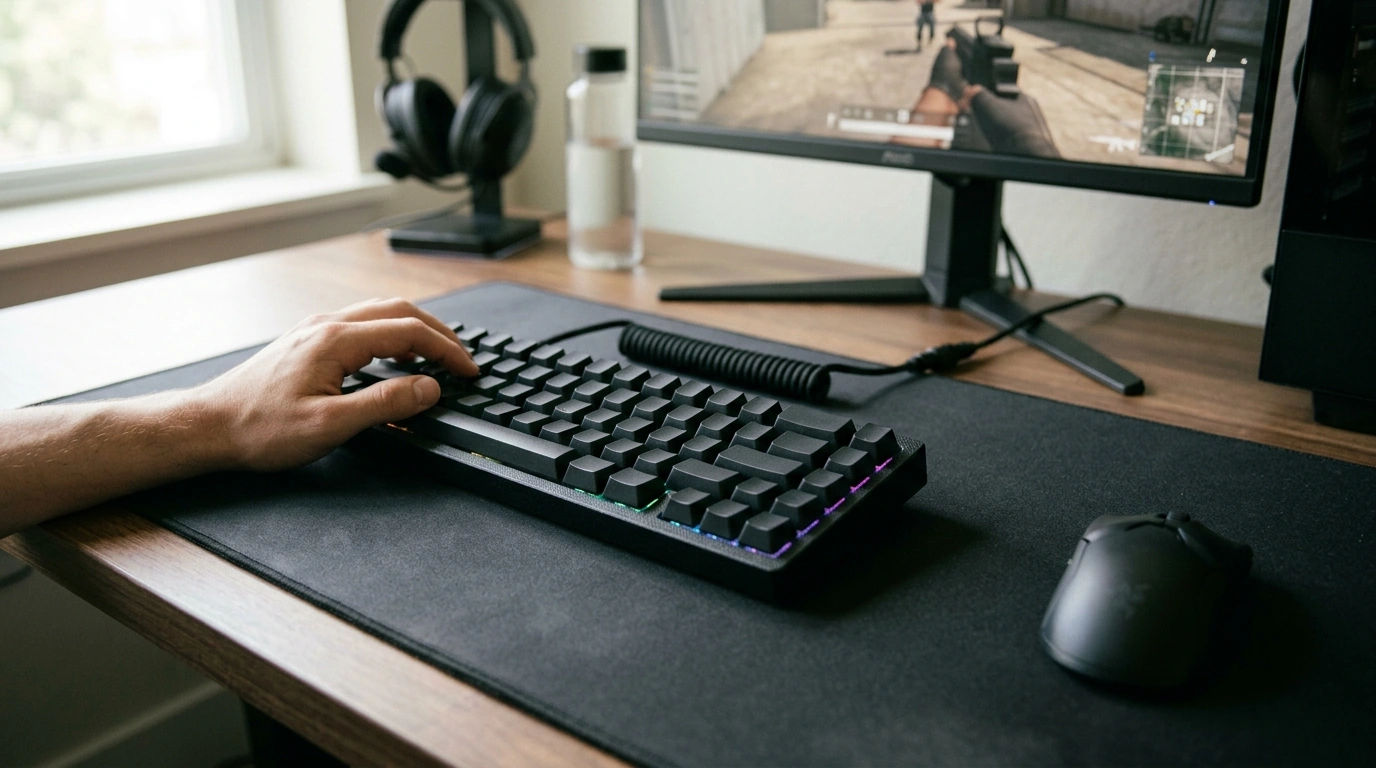
Which keyboard is banned for gaming?
No keyboard is universally banned from gaming. However, certain keyboard features are prohibited in specific games or tournaments. A prominent example is Snap Tap and similar simultaneous opposite cardinal direction (SOCD) features in Counter-Strike 2 (CS2) on Valve’s official servers.
Valve restricts automation that allows a player to execute multiple actions from a single input without the intended manual coordination. In CS2, using keyboard features that automatically resolve opposing movement inputs can result in a player being kicked from an official server. The restriction targets the behavior, not every use of a particular keyboard.
Which keyboards have restricted features?
Razer’s Huntsman V3 Pro series offers Snap Tap, while some Wooting keyboards offer a similar feature called SOCD. Both are examples of keyboards with configurable movement features that may conflict with game or tournament rules when enabled.
That does not mean you cannot use a Razer or Wooting keyboard for gaming. You can generally use the keyboard with the restricted feature turned off, provided your other settings comply with the rules of the game and competition you are entering.
Is rapid trigger banned?
Rapid trigger is not the same as SOCD. Rapid trigger changes when a key activates and resets as you press and release it. SOCD handling determines what happens when you press opposing directions, such as left and right, at the same time.
A magnetic Hall effect keyboard can offer rapid trigger without requiring you to use SOCD features. Still, tournament organizers can set their own equipment and software rules, so review those rules before competing.
How should you choose a gaming keyboard?
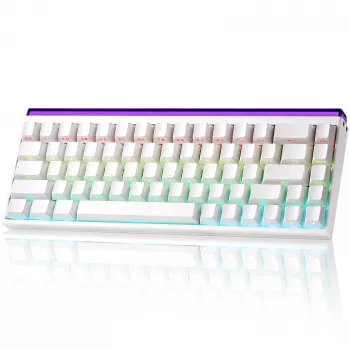
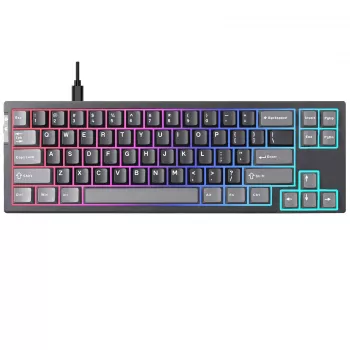
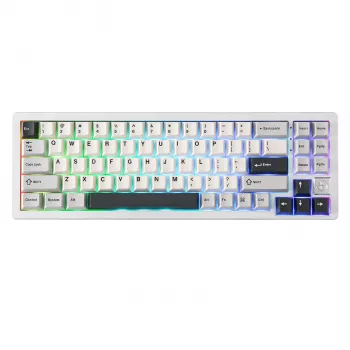
Start with the games you play and the features you will actually use. A 65% layout saves desk space while keeping dedicated arrow keys, and adjustable actuation can help you tune key sensitivity to your preferences. If you play competitively, make sure you know how to disable any movement automation before joining a match.
Our team covers these buying considerations in our guide to magnetic rapid-trigger 65% gaming keyboards.
FAQ
What is a Hall effect keyboard?
A Hall effect keyboard uses magnetic sensors to detect key movement instead of relying on a conventional mechanical contact. This design can support adjustable actuation and rapid trigger, depending on the keyboard.












Leave a comment