5-in-1 Hair Dryer Styler: Fast Curls, Less Frizz
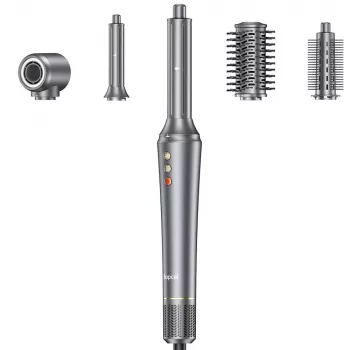
5-in-1 styling when your morning is moving faster than you are
Busy schedules don’t leave much room for juggling a dryer, a round brush, a straightener, and a curler—especially when you’re trying to get from damp hair to a finished look without frizz taking over halfway through. Our team brought in the 5-in-1 Hair Dryer & Styler Brush with Auto Curling and Frizz Control for exactly that reality: one tool that helps you dry while shaping, guide curl direction without constant manual wrapping, and smooth flyaways as you go so your style looks more polished by the time your hair is dry. For more guidance, see Best Hair Styling Tool Reviews.
What this styler brush is designed to solve
This tool is built around the most common “getting ready” friction points—time, technique, and frizz—so you can streamline your routine without bouncing between multiple heated tools. For further reading, see Blow Dryer Brushes Products.
- Cuts down the number of steps between damp hair and a finished look by combining drying and styling in one routine
- Helps create curls with less technique dependency through an auto-curling approach (no constant re-wrapping around a barrel)
- Targets frizz at the styling stage, so hair looks more controlled as it dries instead of being “fixed” after
- Supports multiple everyday looks—soft blowout volume, quick smoothing, and curl definition—without switching to separate heated tools
Five ways to style with one device
Instead of thinking “attachments,” it helps to think “finish.” Pick the look you want, then match your section size and technique to it.
- Blowout smoothing: work from roots to ends in sections to reduce puffiness and create a sleeker finish
- Volume at the roots: lift at the crown with controlled airflow before brushing through lengths
- Auto-curling finish: form curls/soft waves with guided airflow and controlled sectioning rather than manual twisting
- Frizz-managed polish: focus on mid-lengths and ends where flyaways tend to show first
- Quick refresh on day-two hair: reshape front pieces and top layers without a full wash-and-style routine
| Goal | Best section size | How to use | Common mistake to avoid |
|---|---|---|---|
| Smooth + controlled ends | Medium | Start near roots, glide slowly to ends, repeat once if needed | Moving too fast so hair stays damp and frizzy |
| Root lift | Small to medium | Hold at the root area briefly, then brush upward and away | Overloading the brush with too much hair at once |
| Soft curls/waves | Small | Work with clean sections; allow the curl to form before releasing | Using large sections, which can turn curls into uneven bends |
| Frizz control touch-up | Small | Target surface flyaways with light passes on drier hair | Pressing too hard, which can flatten volume |
| Fast dry + shape | Medium | Towel-dry first, then style in sections until mostly dry | Skipping pre-dry, which increases time and heat exposure |
A simple routine that works on most hair types
If you want consistent results (especially with curl formation and frizz control), the “before you turn it on” steps matter as much as the passes you make.
- Prep: towel-dry thoroughly; hair should be damp, not dripping, to keep styling time shorter
- Protect: apply a heat protectant or smoothing product before airflow + heat styling
- Section: smaller sections improve consistency for curls and reduce snagging
- Dry-first approach: focus on roots and the underside before polishing the top layer
- Finish: let curls cool briefly before brushing out for a softer, more modern look
Frizz control: what makes the biggest difference
Frizz is often a combination of moisture + friction + heat timing. You can reduce it most by controlling those three variables rather than “chasing” frizz at the end.
- Start with moisture balance: overly wet hair + high heat tends to amplify frizz and swelling
- Use steady passes: keep movement consistent instead of repeatedly stopping on the same area
- Style direction matters: work from root to tip so the hair lays smoother
- Finish product choice: a lightweight serum or anti-humidity spray can help hold smoothness longer, especially in humid climates
For hair-health best practices over time, the American Academy of Dermatology shares practical, non-brand-specific tips on minimizing damage from heat and daily styling: How to prevent hair damage (AAD).
Auto-curling results: how to get more consistent curls
The biggest driver of consistency is section control. When the section size matches the curl goal, the tool does more of the work and your results look more intentional.
Care, safety, and keeping hair healthier over time
For additional safety reminders around hair dryers and bathroom use, the FDA has a straightforward overview: Hair dryer safety tips (FDA).
When this 5-in-1 tool is the best pick (and when a different tool may fit better)
More useful picks we keep in stock
- Floor Bike Parking Rack Stand for MTB & Road Bikes Indoor Garage Storage
- Rapid Trigger Magnetic 65% Gaming Keyboard with RGB and Hall Effect Switches
FAQ
Can this be used on wet hair, or only damp hair?
You’ll get faster results and better frizz control by starting on towel-dried, damp hair rather than dripping-wet hair. Damp sections dry more evenly, which helps you use less heat over less time.
How can curls last longer after using the auto-curling function?
Use smaller sections, let each curl cool before brushing or finger-raking, and finish with a light hold spray if you want extra staying power. Avoid applying heavy oils before curling since they can weigh the curl down.
Is it suitable for fine hair that frizzes easily?
Yes, as long as you keep heat and passes conservative: pre-dry well, use a heat protectant, and work in smaller sections with steady root-to-tip movement. Finish with a lightweight anti-frizz serum to smooth flyaways without collapsing volume.











Leave a comment