Dawn Dish Soap on Wood: Safe Cleaning Tips
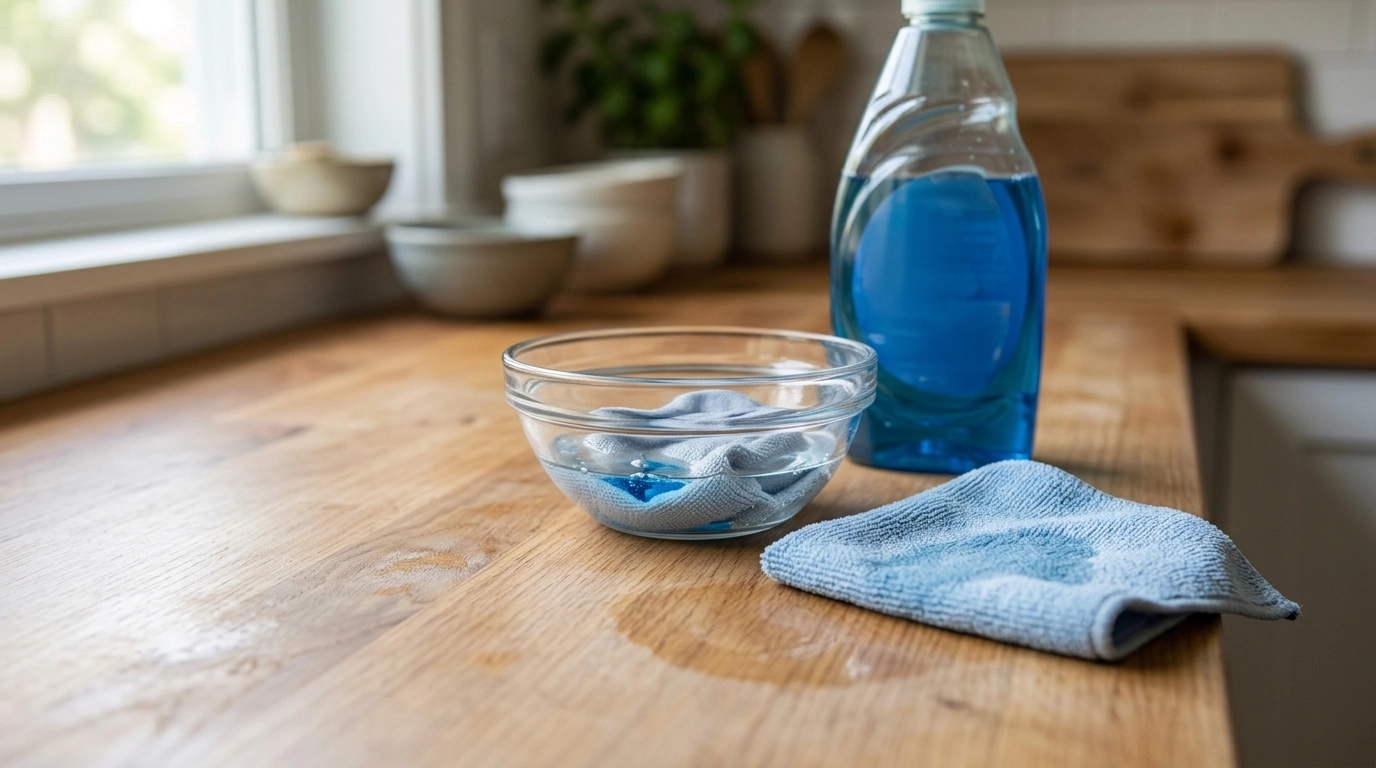
Can Dawn dish soap be used to clean wood?
Yes—Dawn dish soap can be used to clean finished wood when it’s heavily diluted and used sparingly. Our team treats it as an occasional “reset” cleaner for everyday grime, fingerprints, and kitchen splatter on sealed surfaces like polyurethane, varnish, and lacquer. It’s not a good choice for raw, unsealed, or waxed wood, and it shouldn’t replace a regular wood-safe cleaner for routine care.
How to use Dawn on finished wood (the safe way)
1) Make a gentle mix
Add 1–2 drops of Dawn to a bowl of warm water (about 2 cups). The goal is barely sudsy water; too much soap can leave residue that dulls sheen.
2) Wipe with a damp (not wet) cloth
Dip a soft microfiber cloth, wring it out thoroughly, then wipe with the grain. Keep moisture minimal—standing water is what causes swelling, whitening, and raised grain.
3) Rinse and dry immediately
Follow with a second cloth dampened with clean water to remove soap film, then dry right away with a clean towel. Buff lightly to restore clarity.
When you should not use dish soap on wood
Skip Dawn if your piece is unfinished, oil-finished (like some teak pieces), or waxed—soap and water can streak, strip, or push moisture into the fibers. Avoid using it on antique furniture with unknown finishes, and never use it to “deep soak” sticky buildup. If you’re dealing with cloudy spots, haze, or a dull cast after cleaning, it’s often finish-related and needs a different approach than more soap.
Better day-to-day options and next steps
For weekly maintenance, our team recommends dry dusting with microfiber and using a dedicated wood cleaner when needed, then protecting the surface with the right polish or wax for that finish type. For a complete routine (clean, protect, and avoid hazing mistakes), visit our guide: Wood Furniture Care: Clean, Protect, and Avoid Haze.
FAQ
What should I use to clean unfinished wood furniture?
Use a dry microfiber cloth or a soft brush to remove dust, and spot-clean with minimal moisture using a wood-safe cleaner made for unfinished surfaces. If stains persist, sanding and refinishing is typically safer than washing with soap and water.














Leave a comment