Wood Furniture Care: Clean, Protect, and Avoid Haze
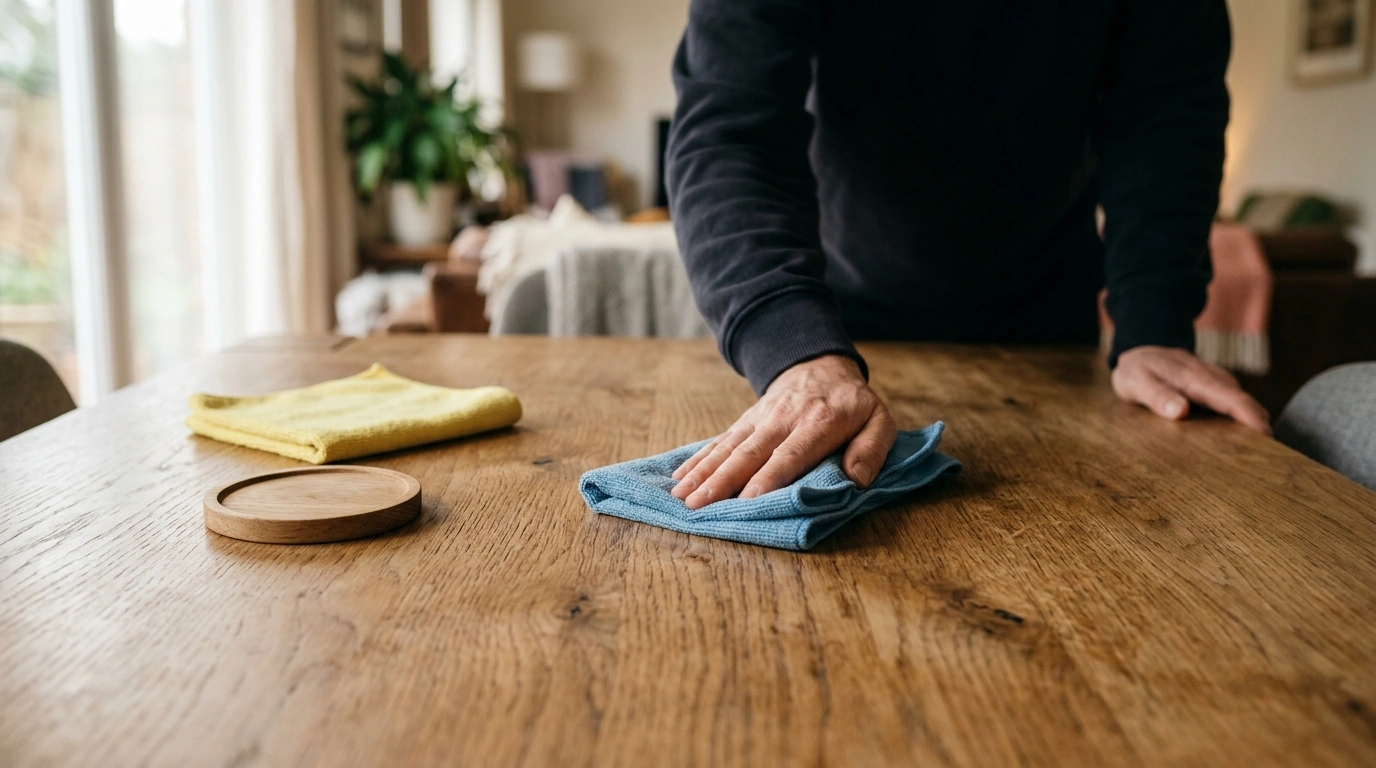
Cleaning and Caring for Wood Furniture: A Simple Routine That Keeps Real Wood Looking Its Best
Wood furniture rewards steady, gentle care. A few smart habits—dusting the right way, controlling moisture, and using the correct cleaner for the finish—can prevent dullness, water rings, sticky buildup, and premature wear. Our team uses the routine below as a dependable baseline, and you can repeat it across dining tables, nightstands, dressers, desks, and display pieces without overthinking every wipe-down.
Start with the basics: identify the surface you’re caring for
The finish (not the wood species) should drive your cleaning decisions. Polyurethane, lacquer, shellac, oil finishes, and waxed surfaces don’t react the same way to water, alcohol, or solvents.
- Look for clues. A very glossy, hard surface is often a film finish (poly/lacquer). A softer surface that marks easily may be shellac. A low-sheen surface that seems to “drink” conditioner is often oil-finished.
- When you’re unsure, start least aggressive. Dry dust first, then a barely damp cloth with mild soap, then dedicated products only if needed.
- Spot-test everything. Test in an inconspicuous spot and judge results only after it fully dries.
For deeper background on how wood and moisture interact over time, the Forest Products Laboratory Wood Handbook is a solid reference, and the Smithsonian Museum Conservation Institute offers helpful general care principles that translate well to home furniture.
A weekly routine that prevents most damage
If you keep one habit, make it correct dusting. Most day-to-day wear comes from tiny grit being pushed around like sandpaper.
- Dust correctly. Use a soft microfiber cloth and fold it often so you’re always trapping dust instead of dragging it.
- Follow the grain. This is especially important on open-grain woods where cross-grain rubbing can push dust into pores.
- Skip heavy sprays. Mist the cloth (not the furniture) so cleaner doesn’t creep into seams, veneers, or joints.
- Keep water quick and minimal. If you need a damp wipe, wring the cloth well and immediately dry with a second cloth.
- Use coasters, trivets, and felt pads. These are everyday insurance against heat marks, water rings, and abrasion.
| Task | How often | Tools | Notes |
|---|---|---|---|
| Light dusting | Weekly | Microfiber cloth | Fold cloth frequently to avoid dragging grit |
| Damp wipe (only if needed) | Monthly or as needed | Water + mild dish soap (very diluted) | Wring cloth well; dry immediately |
| Check pads/coasters | Monthly | Felt pads, coasters | Replace compressed pads before they scratch |
| Deep clean sticky buildup | Seasonally | Gentle cleaner suited to finish | Spot-test first; avoid soaking seams |
| Condition (only when appropriate) | Seasonally or 1–2×/year | Finish-appropriate product | Over-conditioning can attract dust and create haze |
Deep cleaning without dulling: remove residue the safe way
Deep cleaning is where people accidentally trade “clean” for “cloudy.” The safest approach is controlled, small-area work with quick drying.
- Start with dry removal. Vacuum with a soft brush attachment around carvings and corners, then dust to lift what the vacuum loosens.
- For fingerprints and light grime, go mild. A slightly damp microfiber cloth with a tiny amount of mild soap is usually enough. Rinse the cloth, wipe again, then dry immediately.
- For sticky haze, don’t layer more polish. Buildup is best handled by gentle cleaning rather than repeated “shining,” which often creates more film.
- Avoid harsh shortcuts. Vinegar, ammonia, and strong all-purpose degreasers can cloud or soften certain finishes. Alcohol can damage shellac quickly.
- Keep moisture away from edges and seams. Veneers and joints are most vulnerable when water wicks in.
Common problems and practical fixes (before they get worse)
- Water rings: Time matters. The longer moisture sits, the deeper it can migrate into the finish or wood. Start with the gentlest method suitable for your finish and only escalate if needed.
- White haze or cloudy areas: This is often trapped moisture in the finish. Keep heat and aggressive rubbing in check so you don’t soften or smear the topcoat.
- Fine scratches: Prevention beats repair—upgrade dusting habits and add felt pads. For existing scratches, use a finish-appropriate touch-up approach so the repair blends instead of creating a shiny smear.
- Sticky drawers and doors: Seasonal humidity shifts can cause swelling. Reduce friction and check for wax/residue on runners rather than forcing the fit.
- Sun fading: Rotate decor items and use window coverings when you can. UV exposure can permanently shift tone, especially on stained surfaces.
Protection habits that make furniture last longer
Longevity is mostly about reducing repeat damage in high-use zones.
A step-by-step guide that keeps the guesswork out
FAQ
How often should wood furniture be polished or conditioned?
We recommend cleaning regularly, then conditioning only when your finish calls for it and the surface genuinely looks dry or dull. Over-polishing can create sticky haze and attract dust, so a seasonal cadence (or 1–2 times per year) is usually plenty. Always spot-test first.
Is it safe to use vinegar or all-purpose spray on wood furniture?
Vinegar and many all-purpose sprays can cloud, soften, or otherwise damage certain finishes, especially if they’re strong or used repeatedly. A very lightly damp cloth with diluted mild dish soap is typically safer, used sparingly and dried immediately. Spot-test in a hidden area before you commit.
What’s the safest way to remove sticky residue from old furniture polish?
Start dry: vacuum crevices with a soft brush, then dust. Next, clean in small sections with a slightly damp microfiber cloth and a tiny amount of mild soap, then wipe again with a rinsed cloth and dry immediately. Avoid soaking seams, and don’t add more polish on top of buildup.















Leave a comment