Are There Any Truly Waterproof Tents? What to Know

Are there any truly waterproof tents?
Some tents can keep rain out in demanding conditions, but no tent is guaranteed to stay dry in every situation. Wind-driven rain, standing water, damaged fabric, and poor setup can defeat even a well-designed shelter. For reliable protection, look beyond a waterproof label and consider the entire tent: its fabric, seams, floor, doors, and ventilation.
Our team recommends choosing a tent for the weather you expect, then pitching it carefully. A shelter that handles a steady shower may not perform as well in a prolonged storm or on saturated ground.
What makes a tent waterproof?
Waterproof performance starts with fabric that resists water penetration, but the places where panels meet matter just as much. Sealed or properly treated seams help prevent leaks, while a rainfly that covers vulnerable areas provides another layer of protection. A raised bathtub-style floor can help keep surface water from entering around the edges.
Some manufacturers list a hydrostatic head rating, measured in millimeters, to describe how much water pressure a fabric can withstand. A higher number generally indicates greater resistance, but it does not tell you how well the whole tent will perform. Seams, zippers, construction, and setup all affect the result.
Can cotton tents keep you dry?
Cotton canvas can provide dependable rain protection when it is designed and cared for as a tent fabric. Cotton fibers swell when wet, helping close small gaps in the weave. Some canvas tents benefit from an initial weathering process; follow the manufacturer’s instructions before relying on yours in heavy rain.
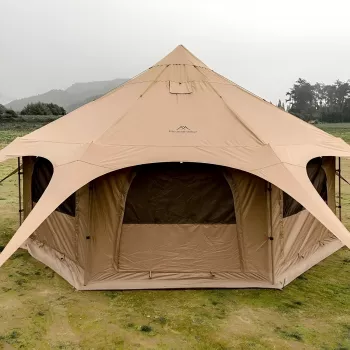
Canvas can also absorb water and become heavy when wet, so allow it to dry thoroughly before storage to reduce the risk of mildew. If you want a spacious basecamp option, explore our guide to the yurt-style cotton tent for eight or more.
How can you prevent water from getting inside?
Pitch on elevated, well-drained ground rather than in a depression or dry streambed. Stake the tent securely, tension the fly, and keep it from pressing against the inner tent. If you use a groundsheet, tuck its edges beneath the tent floor so they do not collect rainwater.
Finally, keep vents open when conditions allow. Moisture from breathing and wet gear can condense inside a tent and look like a leak, even when rain is not passing through the fabric.
FAQ
How do you care for a tent after a rainy trip?
Dry the tent completely before storing it, including the floor and seams. Clean off dirt gently and repair any damaged fabric or seam treatment before your next trip.













Leave a comment