Best Hair Dryer Brush for Frizzy Hair: What to Choose
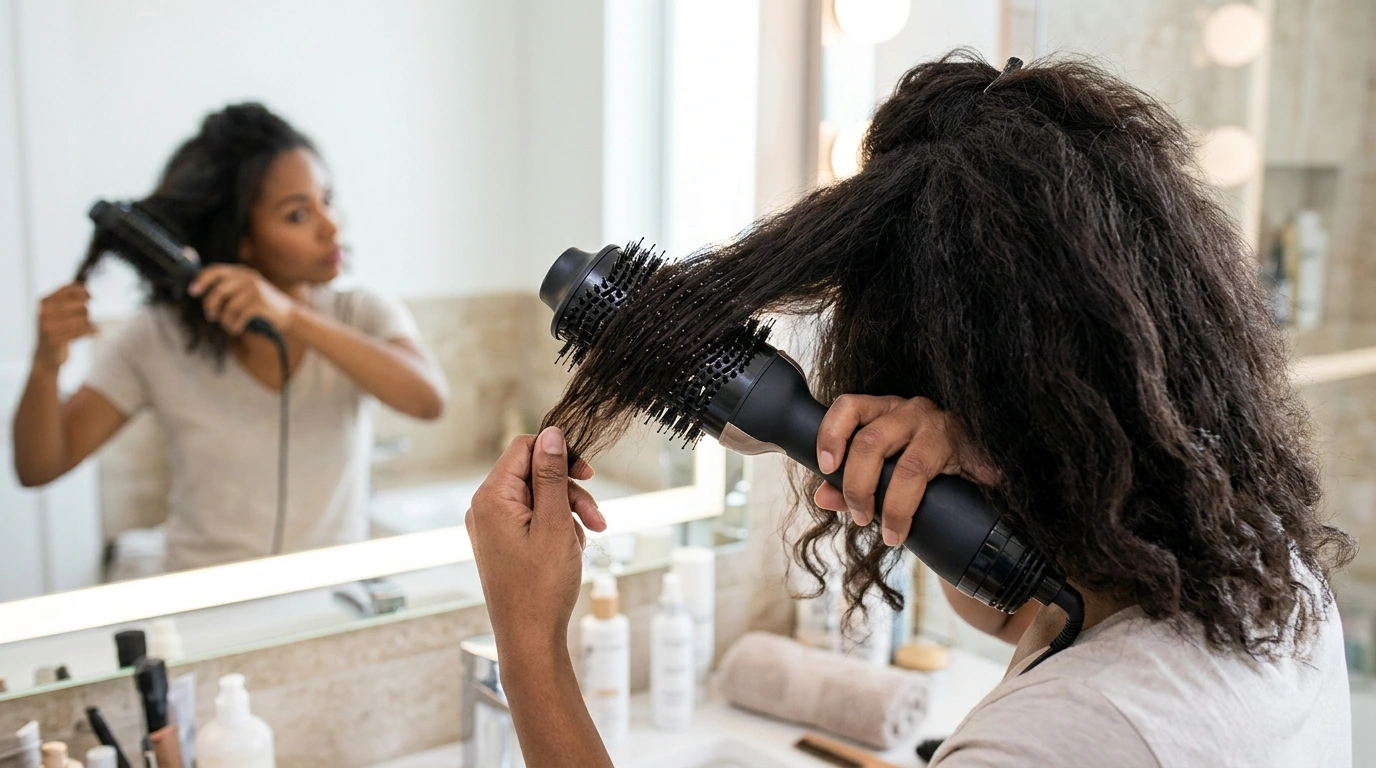
What Hair Dryer Brush Is Best for Frizzy Hair?
If frizz is your daily battle, the best hair dryer brush is one that dries quickly, smooths the cuticle, and lets you control heat and airflow without overworking your strands. Our team sees the most consistent results from a multi-attachment hot air styler that pairs strong airflow with frizz-taming brush options, so you can switch between rough-drying, smoothing, and finishing without swapping tools mid-routine.
What to Look for in a Frizz-Control Hair Dryer Brush
Multiple heat and speed settings (including a cool shot)
Frizz often worsens with excessive heat. Choose a dryer brush that gives you more than one heat level and at least two airflow speeds, plus a cool option to help set your style after smoothing.
Smoothing brush design with good tension
A brush that glides too loosely can leave puffiness behind. Look for a smoothing brush that provides gentle tension as you pull through sections, helping align the hair surface for a sleeker finish.
Concentrated airflow and smart attachments
For frizz-prone hair, attachments matter. A pre-styling dryer head can remove moisture fast (less time = less frizz), while a smoothing brush and a finishing option let you refine the surface without repeated passes.
Barrel options for polishing ends and shaping
Frizz loves messy ends. A curling barrel or round brush attachment helps shape and seal the ends so the whole look reads smoother and more intentional, even in humidity.
Our Pick: A 5-in-1 Dryer Styler Brush Setup
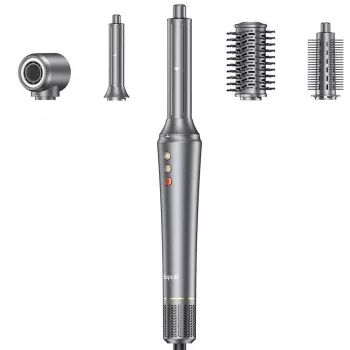
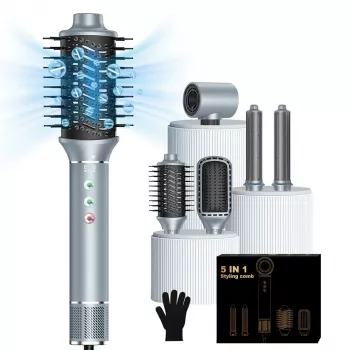
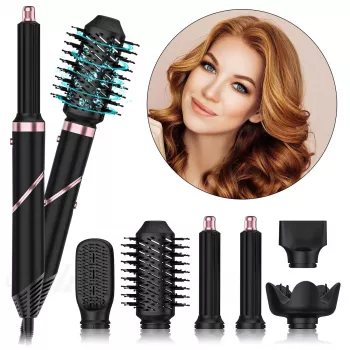
For most frizzy hair types, our recommendation is a 5-in-1 hair dryer styler brush kit that includes a drying attachment plus smoothing and styling heads. The big advantage is flexibility: you can start by drying at a moderate setting, move to a smoothing brush to reduce fuzz, then use a barrel or round brush to finish your ends and face-framing pieces. That “dry, smooth, shape” flow is what frizz responds to best.
For a deeper breakdown of attachments and how to use them for frizz control, visit our guide here: https://grandpickpulse.shop/guide-5-in-1-hair-dryer-styler-brush-auto-curl-frizz-control/.
How to Use a Dryer Brush for Less Frizz
Work on damp—not dripping—hair, and use smaller sections than you think you need. Keep the brush moving continuously, pull with steady tension, and finish each section with a brief cool setting to help the smoothness last.
FAQ
Is a hair dryer brush better than a flat iron for damaged hair?
A dryer brush can be gentler because it dries and smooths in one step, reducing the need for repeated high-heat passes. For damaged hair, use lower heat, keep sections moving, and finish with a cool setting.










Leave a comment