Condenser Mic Disadvantages: Noise, Power, Handling
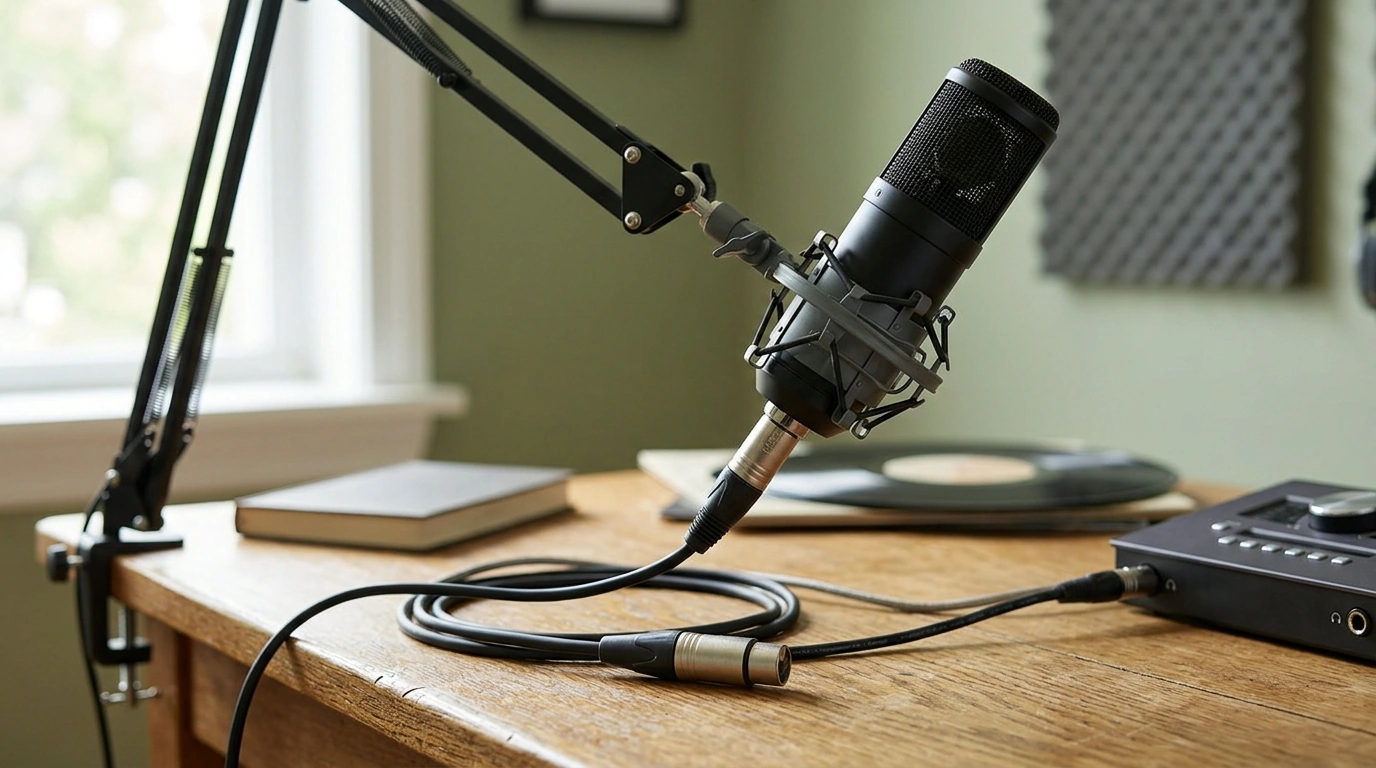
If you’re choosing a microphone for vocals, streaming, podcasting, or instruments, condenser mics can sound impressively detailed. That same sensitivity is also where the downsides show up. Our team sees most frustrations come from room noise, power needs, and durability concerns—especially when you’re recording outside a treated space.
What are the disadvantages of using a condenser microphone?
They pick up a lot of room sound
Condensers capture subtle detail, which means they also capture reflections, computer fans, HVAC, traffic, and keyboard clicks. If your room is lively or you sit close to noisy gear, you may hear more background and reverb than you want.
They’re less forgiving with mic technique
Small changes in distance and angle can dramatically change tone and volume. Plosives (“p” and “b” sounds), sibilance (“s” sounds), and breath noise can become more noticeable, so you’ll often need a pop filter and consistent positioning.
They usually require power and compatible gear
Most XLR condenser microphones need 48V phantom power from an audio interface, mixer, or preamp. That adds cost and complexity compared with many dynamic mics that can plug into more setups without extra power.
They can overload in loud environments
Very loud sources—like close-miked drums, brass, or guitar cabinets—can cause distortion if the mic’s maximum SPL is exceeded. Some models include a pad switch to reduce input level, but not all do, and not all interfaces handle hot signals equally well.
More sensitive components can mean more care
Condensers typically don’t love drops, moisture, or dusty, high-humidity environments. For portable use, you’ll want a sturdy case, careful handling, and storage that avoids damp conditions.
If you’re weighing these trade-offs and want a fuller breakdown with selection tips, we’ve put the complete guide here: What are the disadvantages of using a condenser microphone?
FAQ
Is a dynamic microphone better for untreated rooms?
Often, yes. Dynamics tend to reject more background noise and room reflections, making them easier to use in bedrooms, offices, and other untreated spaces.













Leave a comment