What’s Better Than a Condenser Microphone?
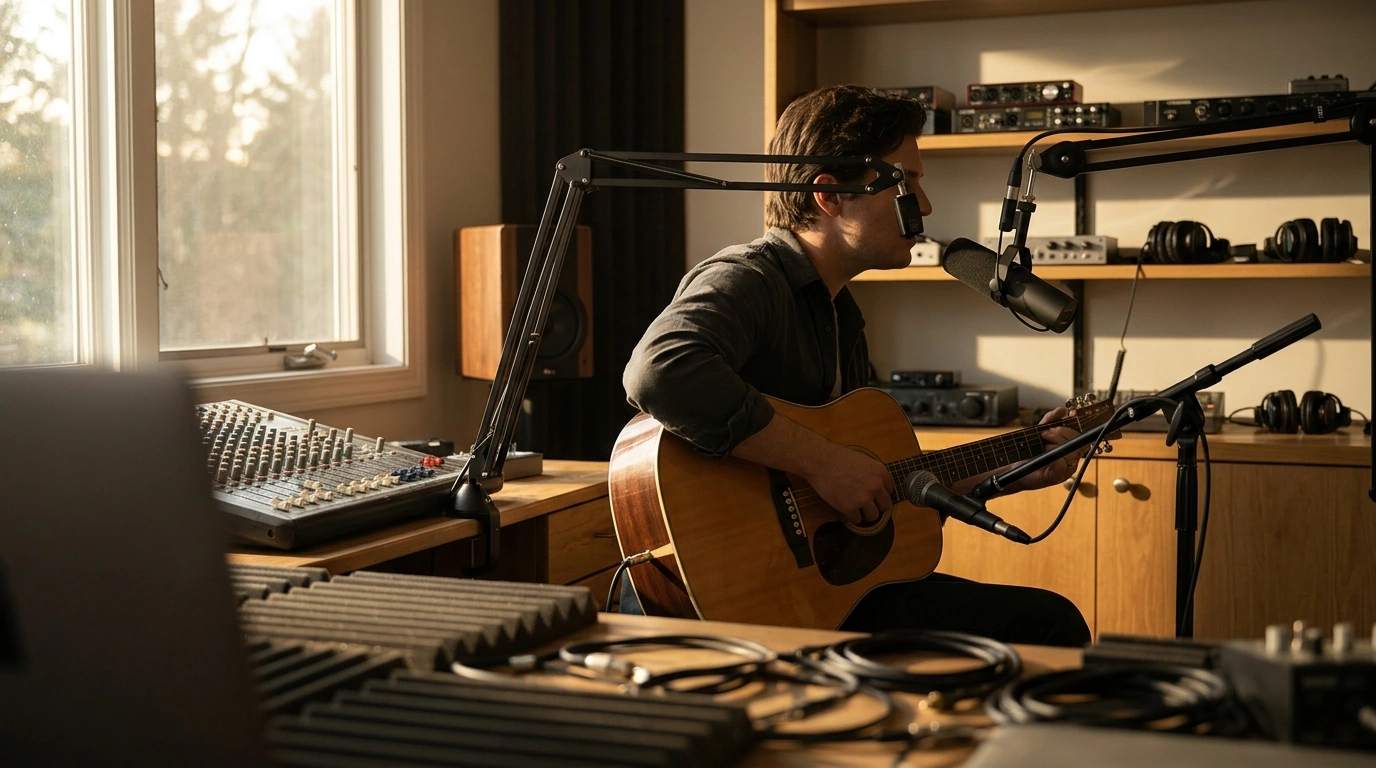
What’s better than a condenser microphone?
A dynamic microphone can be better than a condenser microphone when you need to control background noise, handle loud sound sources, or record in an untreated room. A ribbon microphone may be a better choice when you want a smooth, natural sound. The best option depends on your voice, environment, and what you plan to record.
Our team recommends starting with your recording space rather than assuming one microphone type is always superior. For more guidance, visit our main guide to alternatives to condenser microphones.
When should you choose a dynamic microphone?
Choose a dynamic mic for podcasting, live vocals, streaming, or recording loud guitar amplifiers and drums. Many dynamic models are rugged and work well when you speak or sing close to the grille. That close placement can make your voice stand out from room noise, although the microphone will not eliminate unwanted sound entirely.
A dynamic microphone is also a practical choice if your room has hard surfaces or you share a space with other people. Some models need a generous amount of clean gain from an audio interface, so make sure your recording setup can provide enough level without excessive hiss.
When is a ribbon microphone a better fit?
A ribbon microphone can give vocals, brass, guitar cabinets, and other instruments a smooth presentation, particularly when a brighter condenser sounds too sharp. Many ribbon models capture sound from the front and rear, so room acoustics and placement matter.
Handle ribbon microphones carefully and follow the manufacturer’s power instructions. Phantom power is required for some active ribbon mics, but an improperly connected passive ribbon mic can be damaged by it.
When should you keep a condenser microphone?
We would still choose a condenser for detailed acoustic instruments, soft vocals, or recordings where clarity and subtle texture are priorities. Condensers often benefit from a quiet, treated room and typically need phantom power or another power source.
If your recordings sound noisy or echoey, try improving microphone placement and room treatment before replacing your mic. Those changes can make a noticeable difference regardless of the microphone you use.
FAQ
Do dynamic microphones need phantom power?
Most passive dynamic microphones do not need phantom power. Some active dynamic models or inline preamps do require it, so follow the instructions for your equipment.













Leave a comment