Best In-Ear Monitors for Piano: Tone, Fit, Isolation
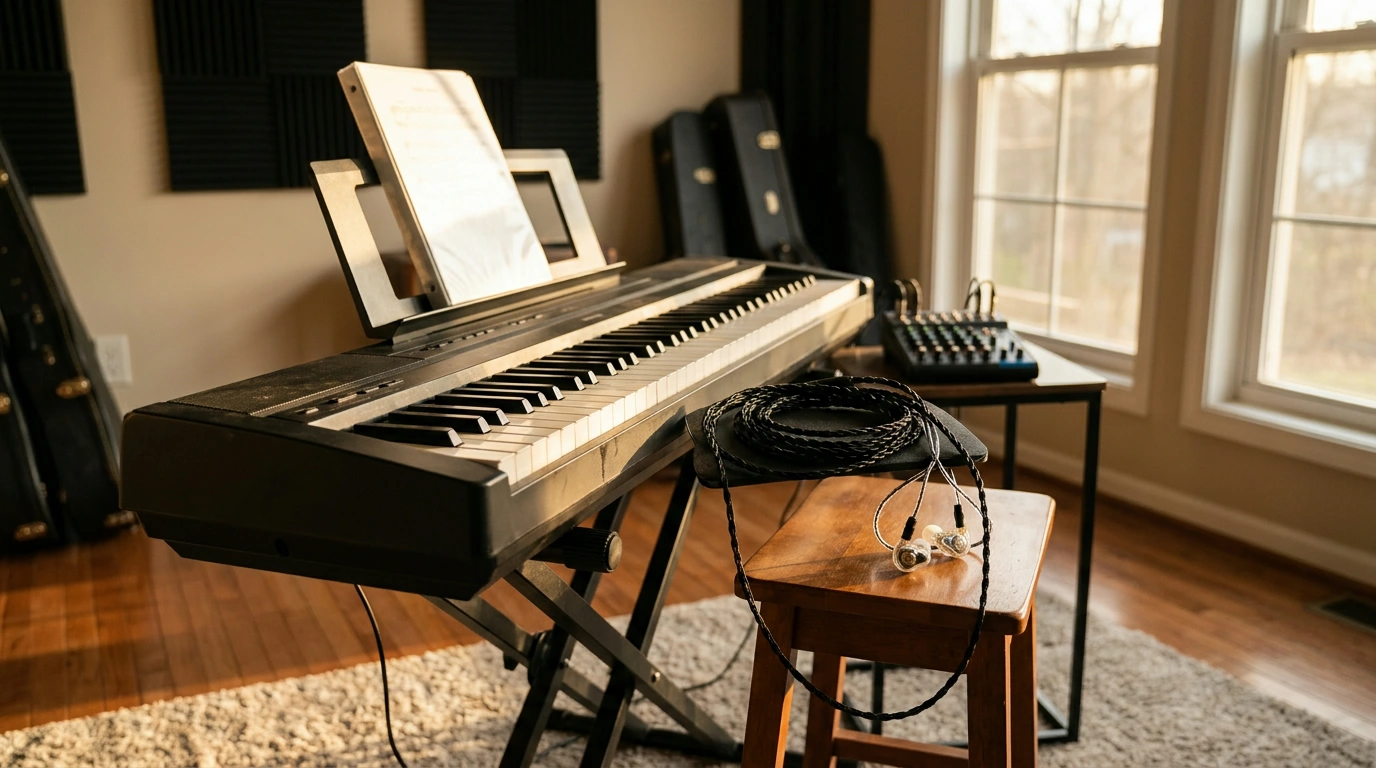
What is the best in-ear monitor for piano playing?
The best in-ear monitor (IEM) for piano playing is one that keeps the instrument’s tone natural while preserving fast attacks and pedal decay. For most pianists, that means an IEM with a clear, forward midrange (where most piano fundamentals live), controlled treble (to avoid “glassy” upper harmonics), and tight but not boosted bass (so left-hand passages don’t smear). Our team typically recommends starting with a neutral-to-slightly-warm tuning and prioritizing comfort and isolation, since fit affects both sound and endurance during long practice sessions.
What to prioritize for piano tone and technique
Midrange accuracy: Look for smooth, well-resolved mids so chords stay separated and melodic lines don’t get buried. A dip in the upper mids can make the piano feel distant; too much can make it shouty.
Treble control: A modest, clean treble helps you hear hammer attack and room cues without exaggerating key noise. Spiky treble can make repeated notes and staccato passages fatiguing.
Speed and separation: Piano is transient-heavy. Drivers that handle quick changes cleanly will keep arpeggios and dense voicings intelligible at lower volumes.
Fit, isolation, and cable practicality
Comfort first: Choose a shell shape you can wear for hours and pair it with tips that seal without pressure. A consistent seal improves low-end stability and keeps dynamics predictable while you play.
Isolation: If you practice near other instruments or in a shared space, better isolation lets you monitor at safer volumes and still hear nuance.
Low microphonics: A soft, well-behaved cable reduces cable noise when you move at the bench. Swappable cables are also useful if you want a different length or a balanced connection.
A solid “sweet spot” style of IEM to consider
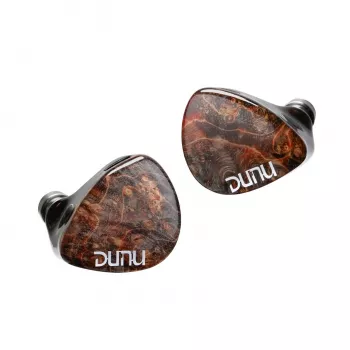
Many pianists do well with a well-tuned hybrid IEM (dynamic driver for weight plus balanced armatures for articulation), especially when it’s paired with a comfortable shell and a replaceable cable for longevity. If you want a practical example of what to look for in this category, our guide to hybrid IEMs with swappable cables breaks down the features that matter: https://grandpickpulse.shop/guide-2dd-4ba-hybrid-iems-swappable-cable-wood-faceplates/.
FAQ
Should you use open-back headphones or IEMs for digital piano practice?
IEMs are usually better when you need isolation, consistent bass response, and lower listening volumes in noisy rooms. Open-back headphones can feel more spacious, but they leak sound and let more room noise in, which can mask fine dynamics.











Leave a comment