Robotic Vacuum Cleaner Downsides: 6 Real Trade-Offs
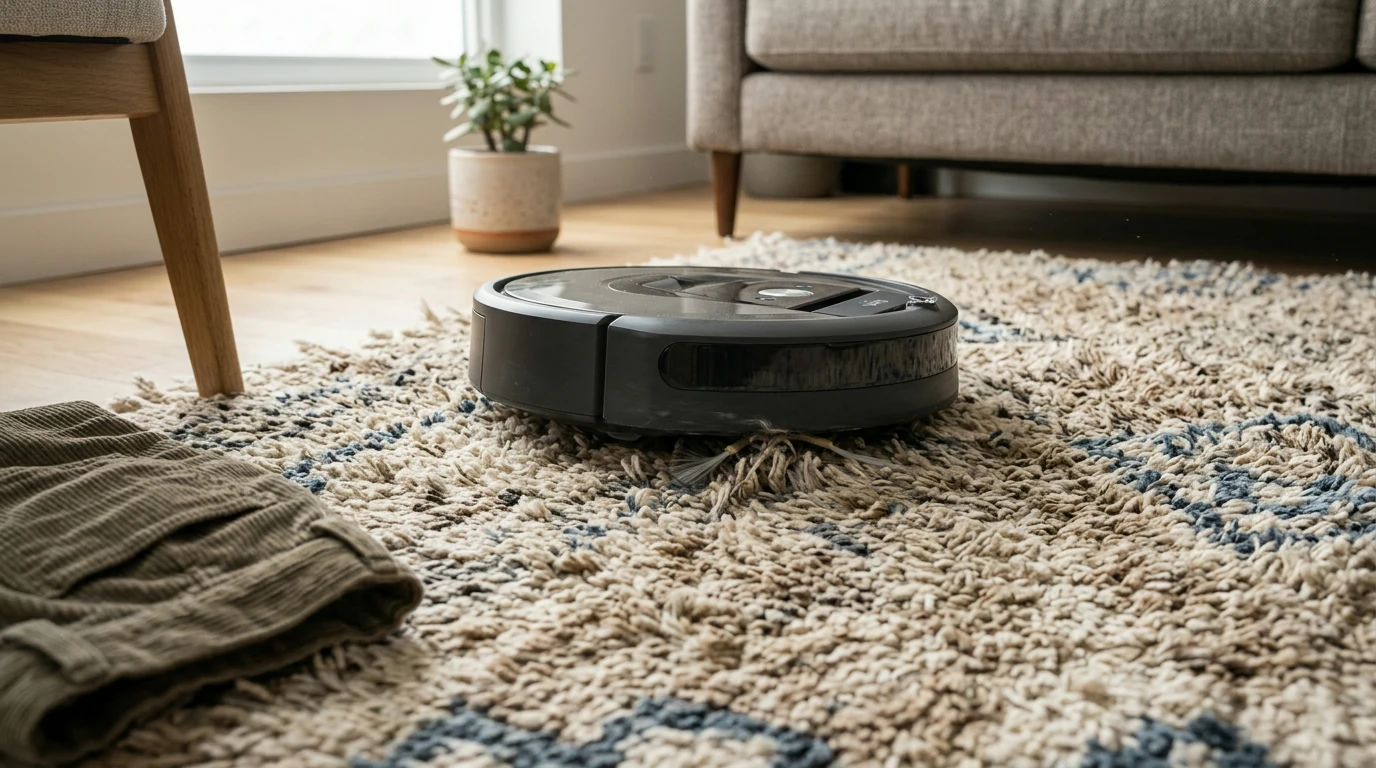
What are the downsides of using a robotic vacuum cleaner?
Robotic vacuum cleaners are convenient, but they aren’t a perfect replacement for a full-size vacuum in every home. Our team recommends weighing a few common trade-offs before you rely on one as your primary cleaner.
1) They can miss deep-clean results on thick carpet
Many robot vacs struggle with high-pile carpet, heavy debris, or ground-in pet hair. Suction and brush design vary widely, and even strong models may leave behind grit at carpet edges or in traffic lanes where a traditional upright or canister would pull more out.
2) Small obstacles can stop the whole cleaning cycle
Cords, tassels, low curtains, shoelaces, and kids’ toys can tangle brushes or trigger errors. If you don’t do a quick “floor reset” first, the robot may spend more time getting stuck than cleaning, especially in busy family rooms.
3) They require ongoing maintenance (more than many people expect)
You’ll typically empty the bin often, clean hair off rollers, wipe sensors, and replace filters and brushes on a schedule. Skipping upkeep reduces pickup performance and can lead to unpleasant odors—particularly in homes with pets.
4) Navigation isn’t always perfect
Even with mapping, robots can bump baseboards, nudge light furniture, or repeatedly re-clean the same zone. Dark floors, reflective surfaces, and cluttered layouts can confuse sensors and reduce coverage consistency.
5) Noise and timing can be a real-life issue
Robots are usually quieter than uprights, but they can still be disruptive during calls, naps, or late-night runs. If you plan to schedule cleaning automatically, consider whether your home routine actually leaves clear floor time for a full cycle.
6) Upfront cost plus parts add up
Beyond the initial purchase, replacement brushes, filters, and (for mopping models) pads or solution can increase the long-term cost. Battery aging may also shorten runtime over the years.
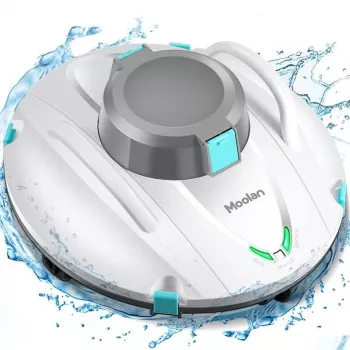
If you’re also considering automated cleaning for water features, we cover what to watch for—like suction strength and self-parking—here: cordless robotic pool cleaner guide.
FAQ
Do robot vacuums work well on hardwood floors?
They usually perform well on hardwood and other hard surfaces, especially for daily dust and crumbs. You’ll get the best results by keeping the brush roll clean and using boundary or no-go controls around delicate areas.












Leave a comment