What Are Double Walled Tents? Benefits and Buying Tips
What are double walled tents?
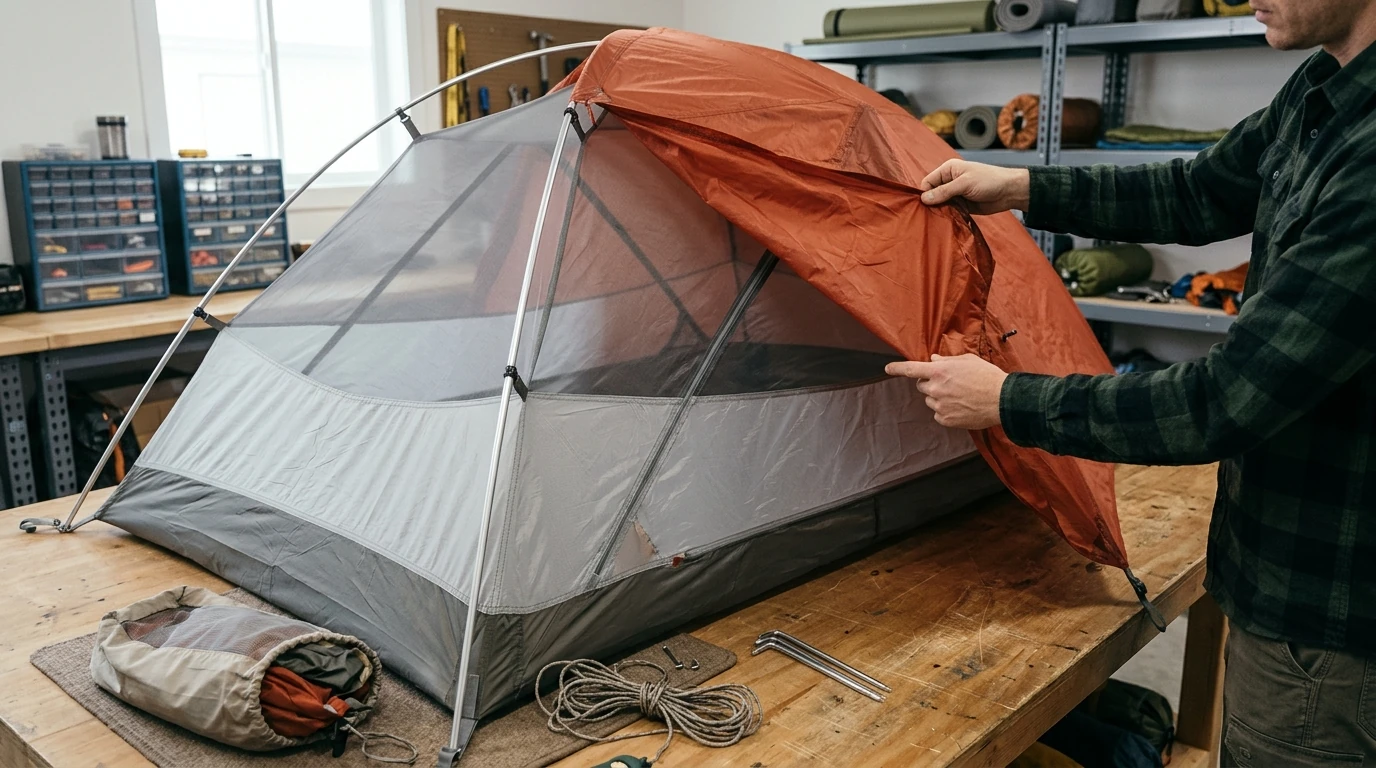
A double walled tent has two separate layers: an inner tent and an outer rainfly. The inner tent creates your living space, while the rainfly provides a barrier against rain and wind. A gap between the layers helps air move through the tent and can reduce the amount of condensation that reaches your gear.
Our guide to double walled tents offers a closer look at how this design works and what to consider when choosing one.
How do the two layers work together?
The inner tent usually combines mesh with fabric panels. Mesh allows airflow and helps keep insects out, while fabric adds privacy and protection from drafts. The balance varies by model: a mesh-heavy inner suits warmer conditions, while more fabric can be useful when temperatures drop.
The rainfly sits outside the inner tent and is designed to shed precipitation. Many flies extend beyond the door to form a vestibule, giving you a sheltered place for boots or a pack. The floor and lower walls of the inner tent also help protect your belongings from damp ground and splashes.
Why choose a double walled tent?
Condensation can form when warm, moist air inside a tent meets a cooler surface. In a double walled design, moisture often collects on the inside of the rainfly rather than directly on the inner tent. The separate layers can help keep you from brushing against that damp surface, although no tent eliminates condensation entirely.
Double walled tents also offer flexibility. When conditions are dry and the design allows it, you may be able to pitch the inner tent without the fly for more airflow and views. Keep the fly close at hand if rain is possible.
What should you consider before buying?
Our team recommends balancing weather protection, weight, and space. Two layers and their attachment points can add weight and setup steps compared with some single-wall designs. Look for enough interior room for your group, a vestibule if you want covered gear storage, and vents that you can open or adjust in damp conditions.
For effective protection, pitch the fly taut and use the included stakes and guylines as needed. Keep a gap between the fly and inner tent where the design permits, and position vents to encourage airflow without letting rain inside.
FAQ
Can you use a double walled tent in winter?
Some double walled tents are designed for winter, but the two-layer construction alone does not make a tent suitable for snow or strong winds. Choose a model rated for the conditions you expect, with an appropriate frame and weather protection.














Leave a comment