Why 100% Waterproof Tents Don’t Exist (What Works)
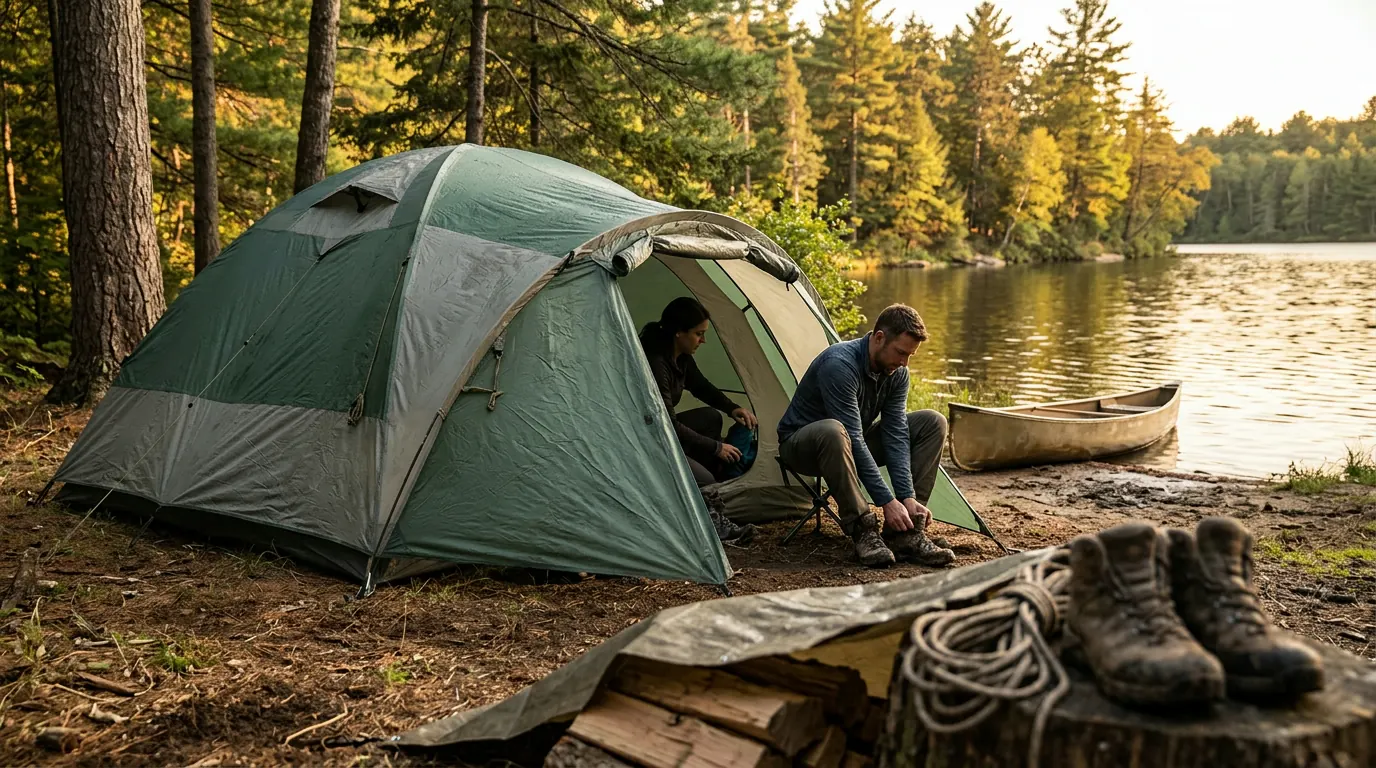
Is there a 100% waterproof tent available?
In practical terms, a “100% waterproof” tent doesn’t really exist for real-world camping. Even when the fabric itself is highly water-resistant, heavy wind-driven rain, ground saturation, seams, zippers, vents, condensation, and user setup can all introduce moisture. What you can buy—and what we recommend focusing on—is a tent system that stays reliably dry in storms through smart materials, seam management, and a weather-proof pitch.
What to look for instead of “100% waterproof”
Waterproof fabric + construction details
Waterproof performance depends on more than the fabric label. Prioritize tents with a proven rain-ready shell, reinforced stress points, storm flaps over zippers, and a design that naturally sheds water instead of pooling it. Seams matter: taped or well-finished seams help prevent seepage where panels join.
A rain-safe footprint and ground strategy
Many “leaks” start from below. Use a properly sized groundsheet/footprint that does not extend beyond the tent floor (overhanging edges can funnel water underneath). Pick a slightly elevated site, avoid depressions, and tension guylines so the walls don’t sag into contact with sleeping gear.
Ventilation to control condensation
Condensation can mimic a leak, especially in cool, wet weather. Look for tents that balance weather protection with airflow so humid breath and damp gear don’t turn the interior into a drip zone. Keeping vents open in rain (when designed for it) can make a huge difference.
When you want storm-grade protection with room to live
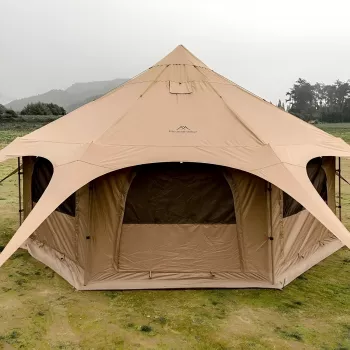
If you’re shopping for a basecamp-style shelter that emphasizes weather resistance and interior space, our team recommends considering yurt-style cotton canvas options designed for longer stays. Cotton canvas can handle prolonged wet conditions well when properly constructed and pitched, and the yurt shape helps with wind and runoff. For a deeper, practical walk-through of this style—what to expect in real rain and how to set it up for dry comfort—visit our guide: https://grandpickpulse.shop/guide-yurt-style-basecamp-roomy-waterproof-cotton-tent-8-plus/.
FAQ
How do I keep rain from pooling around my tent?
Camp on slightly higher ground and avoid flat low spots where water collects. Angle your setup so runoff flows away, and keep your footprint tucked under the floor perimeter so it doesn’t channel water beneath you.













Leave a comment