Vintage Dog Crate with Tabletop: Fit and Setup Guide
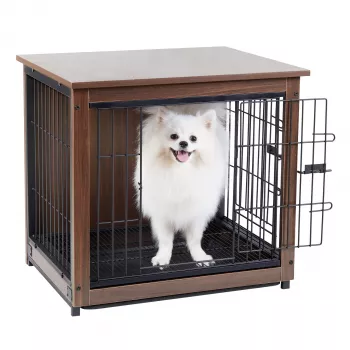
Give your dog an indoor space of their own while making room for a useful tabletop. A vintage-style pet crate can bring those two purposes together in a shared living area, with a wooden barrier gate and a floor tray forming part of the enclosure. For more guidance, see Comparative Study for Improvements to Facilities ….
A Dog Space That Fits Into Your Living Area
When your dog spends time where the household gathers, a furniture-style crate offers a way to include a dedicated resting spot without making the entire room feel devoted to pet gear. The vintage styling and tabletop make it an option to consider alongside your existing furniture. For further reading, see ASV Guidelines for Standards of Care in Animal Shelters.
A familiar crate can also give your dog a consistent place to settle. That doesn’t mean every dog will take to it immediately, so plan to make introductions gradually and give your dog time to feel comfortable.
Our vintage pet crate with tabletop and floor tray is listed at $423.47. The price is subject to change.
Features to Consider
The tabletop, gate and tray each serve a different purpose. Before choosing a location or planning what to put on the surface, consider how you’ll use the crate day to day and whether its features suit your dog.
| Feature | Purpose | Before You Buy |
|---|---|---|
| Tabletop | Provides a surface above the crate | Check the permitted load before placing items on top. |
| Wooden barrier gate | Forms part of the crate enclosure | Confirm the opening and access suit your dog and space. |
| Floor tray | Provides a surface at the base | Check care instructions and whether the tray can be removed. |
Think about access as well as appearance. You’ll need to reach the interior for routine care, and your dog should be able to enter and leave without the gate being obstructed by nearby furniture. The tabletop may be useful, but it should not become a place for items that could fall or be pulled down.
Choosing the Right Fit
Start by measuring your dog. The enclosure should provide enough room to stand naturally, turn around and lie down comfortably. Compare your measurements with the product dimensions before ordering, and consider whether the crate is suitable for your dog’s size and behavior.
Next, measure the intended floor space. Allow clearance for the gate and for you to approach it comfortably. A spot that looks open when the gate is closed may feel cramped once you account for access and nearby walkways.
Consider your dog’s habits, too. A dog who chews, scratches or pushes against an enclosure may need a different arrangement. No crate should be chosen on appearance alone; fit and suitability come first.
Setting Up a Comfortable Indoor Spot
Choose a location where your dog can rest comfortably while still fitting into your household routine. Avoid hazards and areas exposed to extreme temperatures. Keep cords, small objects and other tempting items out of reach around the crate.
If suitable bedding fits inside and your dog can use it safely, add it to make the space more inviting. Keep the tabletop clear of anything unstable or within your dog’s reach. Even an attractive display is not worth the risk of an item falling into or beside the enclosure.
Introduce the crate gradually with positive associations. You might begin by allowing your dog to investigate at their own pace and rewarding calm interest. Avoid using the crate as punishment. For more guidance on helping a dog adjust, see the Humane Society’s crate training guide.
Our team also recommends thinking about the surrounding room. Leave a clear route to the gate and avoid placing the crate where passing people must squeeze around it. A practical location makes daily access easier for both you and your dog.
Keeping the Space Fresh
Check the floor tray and any bedding regularly, and clean them according to the applicable care instructions. Confirm whether the tray can be removed rather than assuming it lifts out. Regular attention can help you notice spills or messes before they become harder to address.
Inspect the gate and enclosure for wear, and supervise your dog as appropriate. If you notice damage or a change in how your dog behaves around the crate, reassess whether the setup remains suitable.
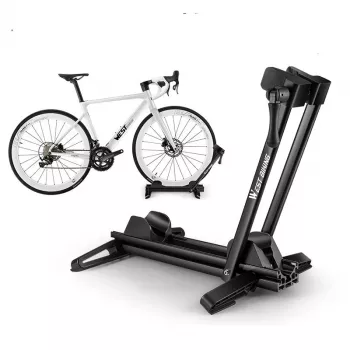
If you’re organizing other areas of your home too, our floor bike parking rack is a separate option for indoor or garage bike storage. Keep bikes and other equipment clear of your dog’s access route.
When you’re ready, explore the crate product page and confirm the fit and care details that matter for your home.
FAQ
How do I know if this crate will fit my dog?
Measure your dog and compare those measurements with the crate dimensions. Your dog should have enough room to stand naturally, turn around and lie down comfortably.
Can I put items on the tabletop?
The crate has a tabletop, but check its permitted load before adding items. Keep anything you place there secure and out of your dog’s reach.
How should I introduce my dog to an indoor crate?
Introduce it gradually with positive associations and allow your dog time to become comfortable. Avoid using the crate as punishment.










Leave a comment