Ultralight Alloy Flat Pedals for Road and MTB
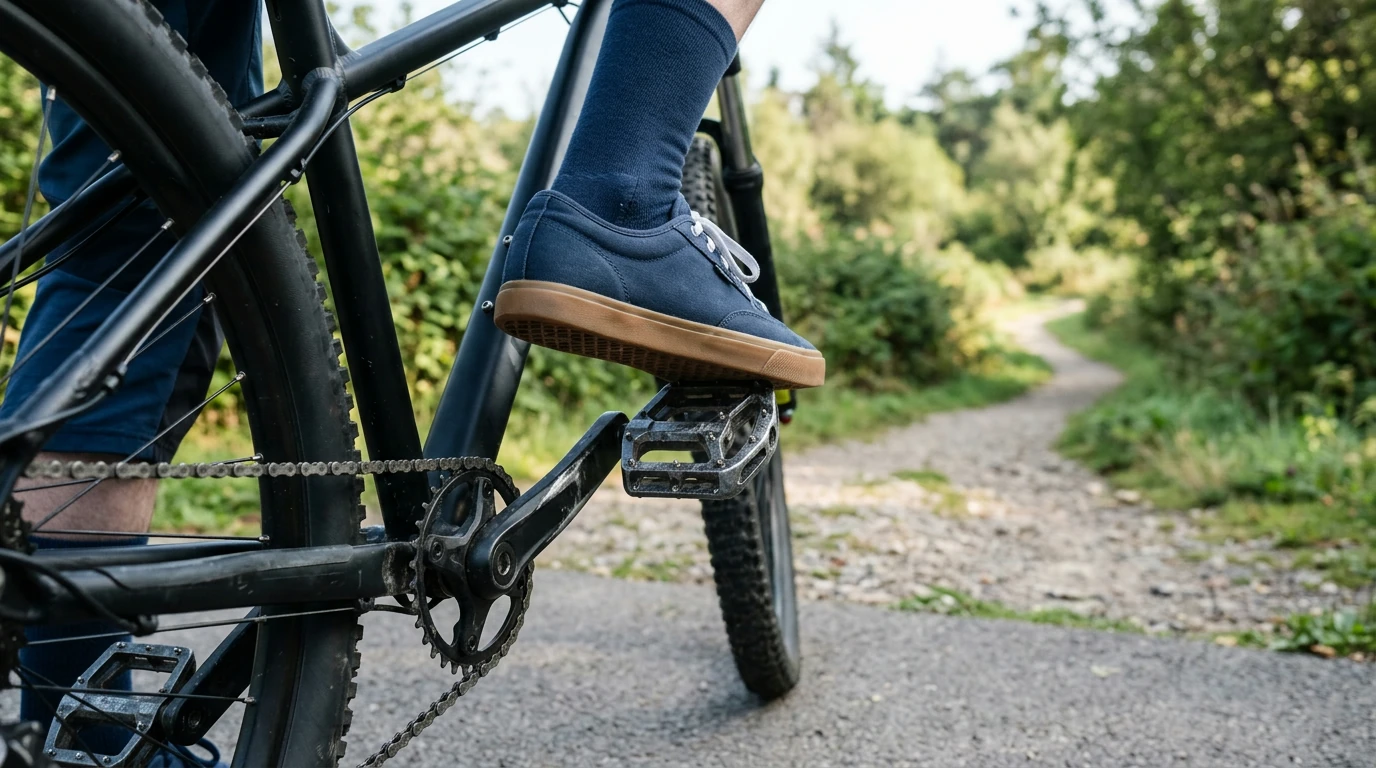
Ultralight Alloy Flat Pedals for Road and Mountain Bikes
Flat pedals give you the freedom to place your feet on the platform and step off without a clip-in mechanism. For road rides, commutes, and recreational mountain biking, our ultralight alloy pedals offer a straightforward option with a listed non-slip surface and bearings.
Before ordering, take a moment to confirm that the pedal threads are compatible with your bike’s cranks. A suitable fit is the starting point for a comfortable, secure setup, whether you ride one bike every day or switch between paved routes and trails.
A Flat Platform for Everyday Riding
With a flat pedal, you can put your foot on the platform without engaging a cleat. When you need to stop, you can lift your foot away without releasing it from a binding. That simplicity can be useful when you encounter frequent intersections, ride through a busy neighborhood, or practice skills on an easy trail.
A flat platform also lets you adjust your foot position as you ride. You might shift slightly to find a comfortable stance during a longer trip or reposition your feet before a change in terrain. You remain responsible for keeping good contact with the pedals, particularly when the surface is uneven.
These pedals are listed with ultralight alloy construction. We don’t assign a specific weight to them, but the alloy platform gives you a practical alternative to a clip-in pedal system. Choose the setup that suits how and where you actually ride rather than assuming one pedal style is best for every situation.
Grip and Bearings
The listed non-slip surface is intended to help your shoes maintain contact with the pedals. It is one part of your setup, not a guarantee that your feet will never slip. Your shoe soles, riding technique, and conditions underfoot all matter. Mud, rain, and worn soles can change how securely your shoes feel on a pedal.
Choose footwear with soles that make dependable contact with the platform. Before a longer ride, try your shoes and pedals together in a familiar area so you can get used to placing and repositioning your feet. Pay attention to how your grip feels when conditions change.
The pedals use bearings to support their rotation. As with other bike components, keeping the area clean and checking for unusual movement or roughness can help you notice when attention is needed. Our team recommends having a bike shop inspect them if you are unsure about their condition.
Road or Mountain Bike: What to Consider
These pedals are listed for road and mountain bikes, but the right choice depends on more than the bike category. Consider your usual routes, the shoes you prefer, and how often you want to put a foot down. Flat pedals can be convenient for relaxed rides and frequent stops, while riders who prefer a fixed connection may choose a different system.
For either bike type, confirm that the pedal threads match your crank specifications before purchase. Road and mountain bikes are not automatically interchangeable with every pedal, so use your bike or crank manufacturer’s specifications rather than relying on the bike’s category alone.
Flat Pedal Considerations by Riding Setting
| Setting | Potential benefit | What to check |
|---|---|---|
| Road and commuting | Easy foot placement at stops | Crank compatibility and suitable shoes |
| Recreational mountain biking | Freedom to reposition feet | Shoe grip and suitability for the terrain |
| Mixed-use riding | One pedal style for varied trips | Fit, comfort, and maintenance needs |
If your rides include both pavement and trails, think about the most demanding conditions you expect to encounter. Your footwear and riding habits should suit those conditions as well as your everyday trips.
Fit and Care
Check thread compatibility before installation and follow your bike manufacturer’s instructions. Identify the left and right pedals first: they have different thread directions. Start each pedal carefully and never force it into the crank, since crossed or damaged threads can affect the fit.
If you need a refresher, Park Tool’s pedal installation and removal guide explains the process. A bike shop can also install the pedals or help if a thread does not engage smoothly.
Regularly check that the pedals remain securely attached and look for signs of wear or damage. Clean away accumulated dirt after rides, especially after muddy outings, and give the pedals a closer look if they develop unusual play or no longer rotate smoothly. For broader riding preparation, see the NHTSA’s bicycle safety guidance.
Bring Your Bike Setup Together
Our Ultralight Alloy Bike Pedals are in stock and listed at $29.51. Price and availability can change, so visit the product page and confirm compatibility with your cranks before ordering.
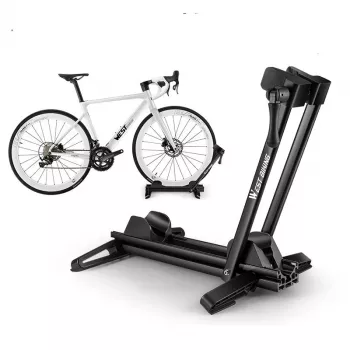
If you also want an indoor storage companion, consider our Floor Bike Parking Rack Stand for a road or mountain bike. It offers a separate way to organize your bike between rides; choose storage that suits your available space and bike setup.
FAQ
Can these flat pedals be used on both road and mountain bikes?
They are listed for road and mountain bikes, but confirm that the pedal threads match your cranks before purchasing.
Do flat pedals require cycling shoes?
Flat pedals do not require clip-in cycling shoes. Choose footwear with soles that provide dependable contact with the pedals.
How should I install the pedals?
Follow the bike manufacturer’s instructions, identify the left and right pedals, and avoid forcing the threads. A bike shop can help if needed.














Leave a comment