Soccer Rebound Trainer Net Drills for First Touch
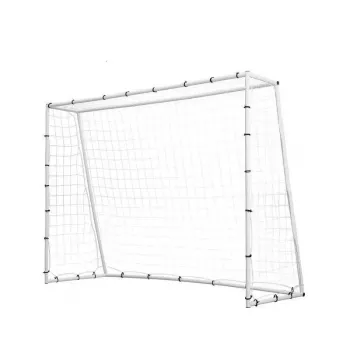
Soccer Rebound Trainer Net: Better First Touch, Faster Reactions, More Reps at Home
A rebound trainer net turns any small space into a high-repetition training station. The goal is simple: more clean touches per session—without needing a partner, a wall, or perfect field time. Our Soccer Rebound Trainer Net is built for the daily work that shows up on game day: receiving under pressure, quick passing, controlled volleys, and sharper decision-making off the bounce.
Why rebound training works (and why it feels harder than it looks)
Rebound training is deceptively demanding because the return is immediate. You don’t get time to reset your feet, look down, and “fix it on the next rep.” The ball is already on its way back.
- Instant returns force real-time adjustments: angle, pace, body shape, and first touch all matter.
- More reps in less time: repeated passing and receiving cycles build comfort on the ball without waiting on teammates.
- Unpredictable rebounds train reaction speed and balance—especially when alternating feet or changing distance.
- Feedback is automatic: a heavy touch, mis-hit pass, or poor angle comes right back as a difficult return.
If you want a reliable framework for what “good reps” should look like over the long term, we like the player development resources from U.S. Soccer and the session ideas at the FIFA Training Centre.
Set it up for consistent returns
A rebound net only feels “true” when the setup is stable and you’re working at the right distance. Our team recommends dialing in consistency first, then pushing speed.
- Choose a flat area: grass, turf, or a stable driveway/patio space; clear the immediate area for safe footwork.
- Start close for control: begin at a comfortable distance where passes come back manageable, then move back as touch improves.
- Use a simple target idea: aim for the same “window” of the net each rep to build repeatable technique.
- Keep a ball supply nearby: minimizing retrieval time keeps sessions intense and focused.
- Warm up with easy two-touch passing before shifting to one-touch or volleys.
| Step | Goal | Common fix if the rebound feels “off” |
|---|---|---|
| Pick a level spot | Stable base and predictable returns | Move away from slopes/uneven ground |
| Start 6–10 feet away | Clean technique before power | Shorten the distance if returns are too fast |
| Aim for the center zone | Consistent angles and rhythm | Slow down and focus on ankle lock and plant foot |
| Increase pace gradually | Game-speed touches | Add speed only after clean control |
Drills that build match-ready skills
Rebound nets shine when you train with simple rules. Pick one focus per block (first touch, weak foot, one-touch speed) and keep the reps honest.
- Two-touch rhythm (foundation): pass → receive → set → pass. Focus on opening hips and getting the first touch out of the feet.
- Alternating feet: right pass/left receive, then left pass/right receive. Keeps both sides honest and exposes weak-foot habits.
- One-touch passing: shorter distance at first; prioritize accuracy and body position over power.
- Receive on different surfaces: inside, laces, sole stop, outside-of-foot—rotate every 10–15 reps.
- Volleys and half-volleys: start soft; control the return first, then add pace once timing is consistent.
- Turning touch: receive and take the first touch across the body (as if escaping a defender), then pass back quickly.
| Block | Time | Focus | Progression |
|---|---|---|---|
| Warm-up touches | 3–5 min | Easy two-touch, inside foot | Add light movement between passes |
| Technique block | 6–8 min | Alternating feet, controlled pace | Reduce to one-touch for short bursts |
| Pressure block | 6–8 min | One-touch + quick reset | Add lateral shuffles or a cone turn |
| Finisher | 3–5 min | Volleys/half-volleys or turning touch | Increase tempo, keep form clean |
Make it fit any age or training goal
The biggest advantage of rebound work is scalability. You can make the exact same station beginner-friendly or genuinely punishing—just by changing distance, pace, and touch rules.
- Younger players: keep distance shorter, emphasize two-touch control, and treat clean technique as the win condition.
- Developing players: mix in weak-foot reps, turning touches, and quick scans (look up before the ball returns).
- Competitive players: combine one-touch sequences with movement—receive after a sprint, shuffle, or quick change of direction.
- Goalkeepers: use returns for footwork and distribution—short passes, driven passes, and quick set positions.
- Small-space training: prioritize quick feet and control; use a lighter ball if needed to keep returns manageable indoors or in tight areas (only if safe and appropriate).
Durability, care, and safer training habits
When this rebound net is the right pick
Recommended gear we keep in stock
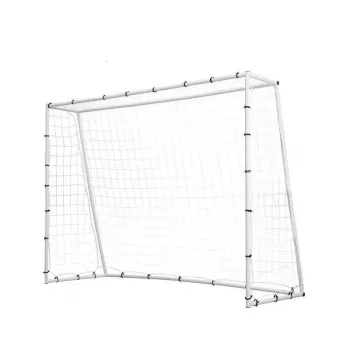
- Soccer Rebound Trainer Net — a dedicated station for first touch, passing, and reaction work at home.
- Floor Bike Parking Rack Stand for MTB & Road Bikes Indoor Garage Storage — a simple way to keep your training area clear and trip-free in a garage or shared space.
FAQ
How far should a player stand from a rebound trainer net?
Start about 6–10 feet away so you can control the return with clean technique. As your first touch improves, step back to increase reaction speed and passing pace; if rebounds feel too fast or wild, move closer again.
Is a rebound net good for beginners, or only advanced players?
It works for every level when you scale the rules: beginners should stay closer and use two touches, while advanced players can add one-touch sequences and movement between reps. The key is consistent contact and control before adding power.
What can be practiced on a rebound net besides passing?
You can train first touch (different surfaces), weak-foot work, volleys and half-volleys, turning touches, and scanning habits by looking up before the ball returns. Add short sprints or shuffles between passes to layer in conditioning.












Leave a comment