Ice-Cooled IPL Hair Removal: Comfort, Routine, Safety
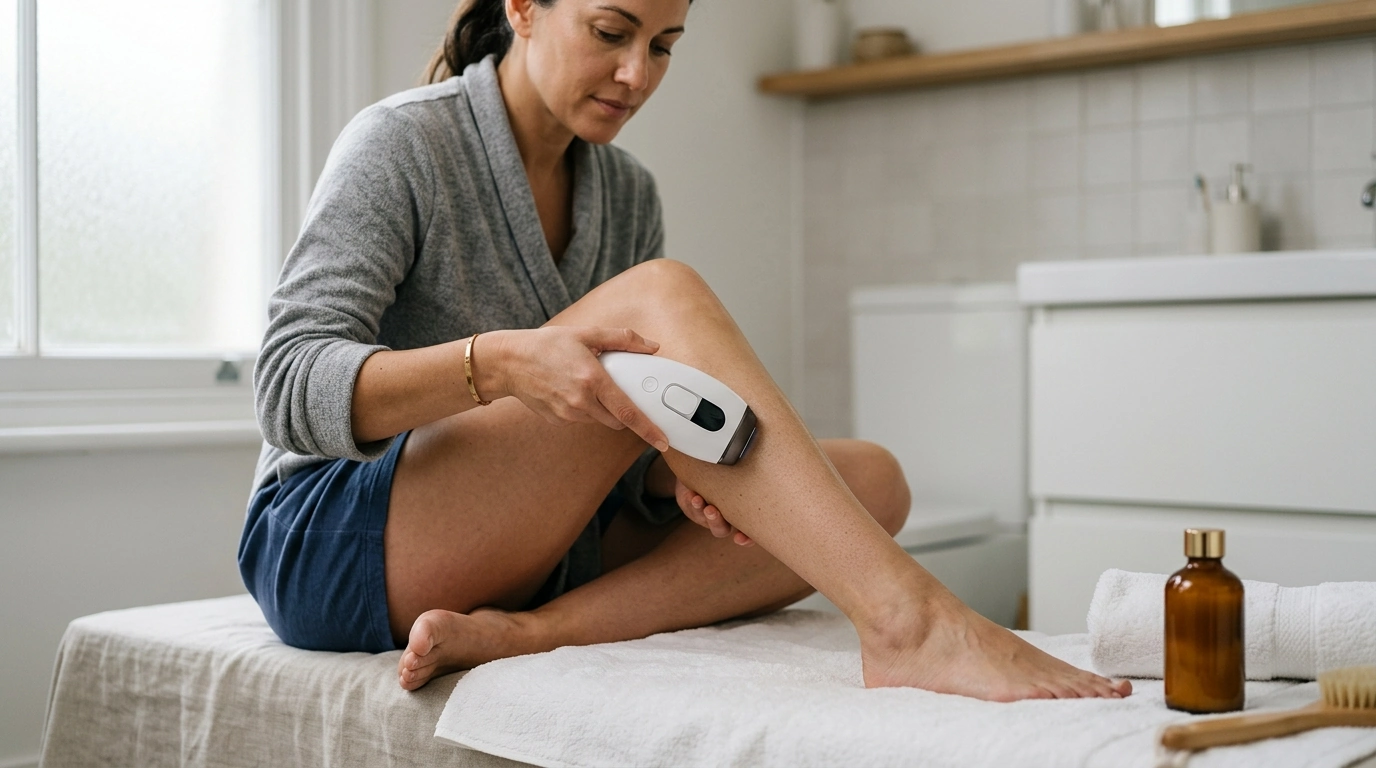
IPL Laser Hair Removal Device with Ice Cooling: A Cooler Way to Stay Smooth at Home
Smooth skin is easier to keep up with when the process feels comfortable and fits a real schedule. An IPL laser hair removal device with ice cooling is designed for at-home sessions that target hair at the root while the cooling surface helps take the edge off heat during flashes. Our team put together this guide so you know what to expect, who it’s for, and how to build a routine that delivers steady, visible progress.
What an IPL device does (and what “ice cooling” adds)
IPL (intense pulsed light) uses broad-spectrum light that’s absorbed by pigment in the hair. Over repeated sessions, that light energy is intended to disrupt regrowth from the follicle so hair grows back slower and finer.
Progress is gradual because hair grows in cycles. In any single session, only a portion of hairs are in the right growth phase to respond well, which is why consistency tends to matter more than “maxing out” intensity.
Ice-cooling designs add a cooling contact surface where the device touches your skin. For many people, that helps reduce the hot, prickly feel that can come with standard flashes—especially in sensitive zones—while still keeping treatment contact steady for more even coverage.
It’s also worth setting expectations: at-home IPL is typically hair-reduction focused. Many people maintain results with periodic touch-ups rather than expecting permanent, never-ever regrowth across every area and every season of life.
Where it fits into a real weekly routine
The easiest way to stick with IPL is to treat it like a short, repeatable appointment you can actually keep. Start with a clean, dry area and shave (don’t wax or pluck) so light energy targets the follicle beneath the skin rather than hair above it.
- Plan sessions when your skin is calm—avoid treating right after heavy sun exposure, hot baths, or intense workouts that leave skin flushed.
- Treat one body zone at a time (lower legs, then underarms, etc.) so you don’t rush and miss patches.
- Use the timing and intensity guidance in your device manual. When you’re starting out, choose a comfortable level and increase only if recommended and well tolerated.
- Set reminders so sessions don’t drift. Even spacing is often the difference between “tried it” and finishing a full course.
Example at-home IPL schedule (adjust to device instructions and skin tolerance)
| Phase | Session cadence | Goal | Notes |
|---|---|---|---|
| Kickoff (Weeks 1–4) | 1–2x per week | Start reducing visible regrowth | Keep sessions consistent; shave before treating. |
| Build (Weeks 5–8) | Weekly or every other week | Fill in missed growth cycles | Spot-treat areas that lag behind. |
| Maintain (After Week 8+) | Monthly or as needed | Keep regrowth finer and slower | Maintenance varies by area and hair type. |
Comfort and control: making the most of the cooling feature
Cooling is most helpful when you use it the way it’s designed to work: with full, flush contact against the skin. That contact can help steady the sensation and reduce “hot spots” caused by uneven placement.
- Work in small sections and overlap slightly. This helps prevent striping while keeping passes deliberate (not rushed).
- If an area starts to feel too warm, pause and let your skin settle. Cooling helps, but your skin still benefits from short breaks.
- Avoid stacking extra cooling methods that can irritate skin (like strong menthol products) unless your device guidance allows it.
- After your session, moisturize with a simple, fragrance-light lotion if you feel dry; skip acids or retinoids on freshly treated areas.
Who should use IPL (and who should skip it)
IPL tends to perform best when there’s contrast between hair color and skin tone (for example, darker hair against lighter skin). Very light hair—blonde, red, or gray—may not absorb enough light to respond well, so expectations should be more conservative.
Darker skin tones require extra caution. Many IPL devices are not suitable for deep skin tones due to a higher risk of burns or discoloration. Before you start, confirm that your device’s skin-tone guidance matches your complexion and the area you want to treat.
Safety basics that protect skin (and results)
For additional background on hair removal and light-based device safety, you can review guidance from the U.S. Food & Drug Administration, the American Academy of Dermatology, and the Mayo Clinic.
Using the IPL Laser Hair Removal Device with Ice Cooling from GrandPickPulse
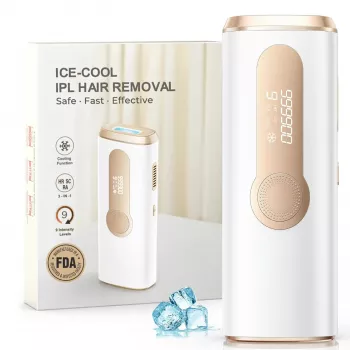
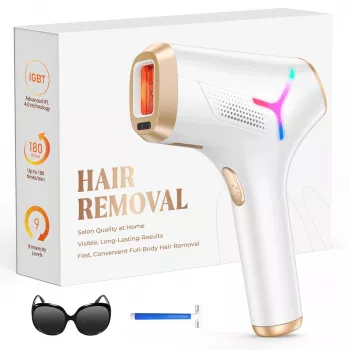
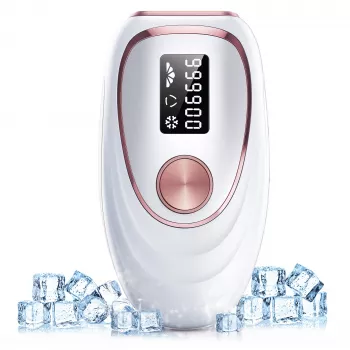
Our IPL Laser Hair Removal Device with Ice Cooling is built for at-home hair-reduction routines where comfort is a priority, pairing pulsed-light treatments with a cooling contact surface. The most reliable approach is simple: shave, treat with steady contact, then moisturize and protect your skin from sun exposure.
- Rapid Trigger Magnetic 65% Gaming Keyboard with RGB and Hall Effect Switches (handy if you schedule and track routines at your desk)
- Floor Bike Parking Rack Stand for MTB & Road Bikes Indoor Garage Storage (keeps gear tidy if your self-care corner shares space with your home gym)
FAQ
Is IPL with ice cooling still uncomfortable?
Sensation varies by area and your personal sensitivity. Cooling can reduce the heat feel, but you may still notice mild warmth or a quick snapping sensation; starting on a lower setting, keeping full skin contact, and patch testing helps you stay comfortable.
Do results last, or does hair come back?
IPL usually reduces growth and makes regrowth finer and slower when you keep up with consistent sessions. Many people do periodic maintenance because hormones and individual hair cycles can influence how long results last.
Can IPL be used on the face or bikini line?
Many devices allow certain facial areas (typically below the cheekbones) and the bikini line, but you should follow your device’s instructions closely. Avoid the eye area and mucosal areas, and patch test first since these zones can be more sensitive.











Leave a comment