30-Setting Conical Burr Coffee Grinder With LCD Timer
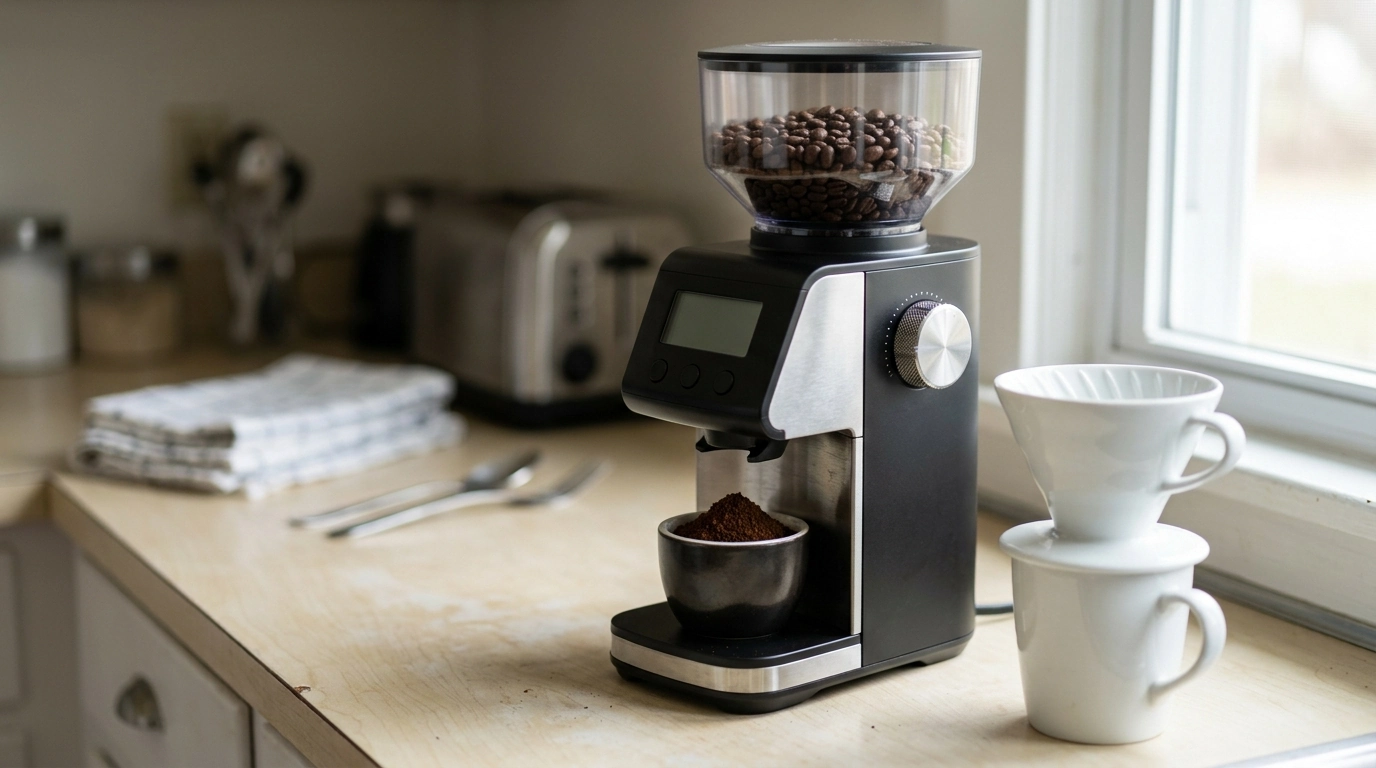
Automatic Conical Burr Coffee Grinder with 30 Settings and LCD Timer
Fresh, evenly ground coffee is the simplest upgrade for better flavor at home. This automatic conical burr grinder pairs a wide range of grind settings with an LCD timer, so daily brewing can be consistent without slowing down your routine. Use it to dial in anything from a bright pour-over to a fuller-bodied French press—then repeat the same results cup after cup.
What this grinder is built to solve
If your coffee sometimes tastes sharp and thin one day, then bitter and heavy the next, the problem is often grind consistency and repeatability. Our team chose this style of grinder because it targets the everyday pain points that show up in real kitchens.
- Turn whole beans into more consistent grounds that brew evenly, reducing bitter/under-extracted swings.
- Make it easier to repeat a recipe by using a timed grind instead of guessing each morning.
- Support multiple brew styles with a broad range of grind settings so one grinder can cover the week.
- Keep workflow simple: set, grind, brew—without turning coffee into a mini project.
Why conical burr grinding changes the cup
Blade-style grinding tends to “chop” beans into a mix of dust and boulders, and that unevenness can pull harsh flavors from the fines while under-extracting the larger pieces. Burr grinding is designed to narrow that spread, giving you a more uniform particle size for steadier extraction.
- Burrs are designed to produce a more uniform particle size than chopping-style grinding, which helps extraction stay balanced.
- Conical burrs are a practical home choice for producing consistent grounds across different brew methods.
- More uniform grinding helps highlight clarity and sweetness while minimizing harshness that can come from uneven particles.
- If switching from pre-ground coffee, expect more aroma, better crema potential for espresso-style drinks, and cleaner flavor notes in filter brews.
If you want deeper brewing fundamentals, the Specialty Coffee Association (SCA) brewing resources and the National Coffee Association (NCA) coffee basics are solid references for dialing in recipes.
Using 30 settings to match your brew method
Think of the 30 settings as a practical spectrum: you pick a region based on brew style, then fine-tune by taste. The key is making small changes and keeping notes so you can come right back to your “house settings.”
- Start with the brew method first, then adjust: finer for faster extractions (espresso-style), coarser for longer contact time (French press, cold brew).
- Make changes in small steps, tasting for balance: sour/weak often points to grinding finer; bitter/dry often points to grinding coarser (while also checking dose and time).
- Keep a short “go-to” list of settings per method so anyone in the house can get the same results.
- When changing beans, expect to re-dial slightly—freshness and roast level can shift how a grind behaves.
| Brew style | General grind direction | What to taste for | Next adjustment if needed |
|---|---|---|---|
| Pour-over / drip | Medium to medium-fine | Sweet, clear, no harsh finish | If sour: go a bit finer; if bitter: go a bit coarser |
| AeroPress | Medium-fine to medium | Full flavor without grit | If weak: slightly finer; if harsh: slightly coarser |
| Espresso-style | Fine | Balanced shot with good body | If fast/weak: finer; if slow/bitter: coarser |
| French press | Coarse | Round body without sludge | If muddy: coarser; if thin: slightly finer |
| Cold brew | Coarse | Smooth, low bitterness | If over-strong: coarser or reduce steep time; if watery: slightly finer or increase steep time |
LCD timer: consistency without a scale (and how to make it accurate)
A timer is a fast way to keep your routine stable—especially when you’re making coffee before the day gets busy. The trick is treating the timer like a “dose shortcut” you calibrate, not a universal setting that never changes.
- Timed grinding is a straightforward way to keep mornings consistent—set the time that matches your usual dose for a specific bean and setting.
- For best accuracy, calibrate the timer once per bag: weigh the output for a few test runs, then lock in the time that hits your preferred dose.
- Create two quick presets in your routine: one for a weekday cup (smaller dose) and one for weekend brewing (larger dose).
- If the taste drifts over time, re-check grind setting first, then verify dose by weighing a single run to see if the bean density has changed.
A simple daily workflow that keeps coffee tasting clean
Feature snapshot for fast comparison
In-stock picks from our store
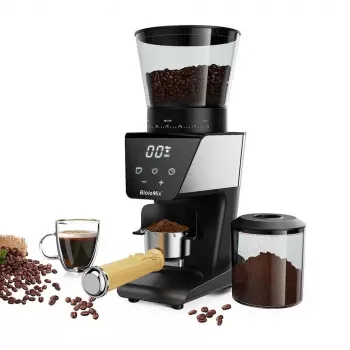
- Automatic Conical Burr Coffee Grinder with 30 Settings and LCD Timer
- Rapid Trigger Magnetic 65% Gaming Keyboard with RGB and Hall Effect Switches
- Floor Bike Parking Rack Stand for MTB & Road Bikes Indoor Garage Storage
Who this grinder is for (and who should choose a different style)
FAQ
How do the 30 grind settings map to espresso, drip, and French press?
Use the settings as a range rather than chasing one “perfect number”: go finer for espresso-style brewing, aim mid-range for drip and pour-over, and move coarser for French press and cold brew. Dial in by taste and flow time—small adjustments usually make the biggest difference.
Does the LCD timer replace weighing coffee?
A scale is still the most precise way to measure dose, but the timer can be very consistent once you calibrate it for a specific bean and grind setting. We recommend weighing a few timed test grinds per bag, then re-checking when you switch beans or change settings.
How often should the grinder be cleaned for the best flavor?
For most kitchens, a quick weekly routine—brushing or wiping out the grounds areas—helps prevent stale flavors from building up. Plan deeper cleaning periodically, especially if you brew daily or notice sudden dusty, bitter notes.










Leave a comment