Best In-Ear Monitor Brand? Choose by Fit, Tuning, Build
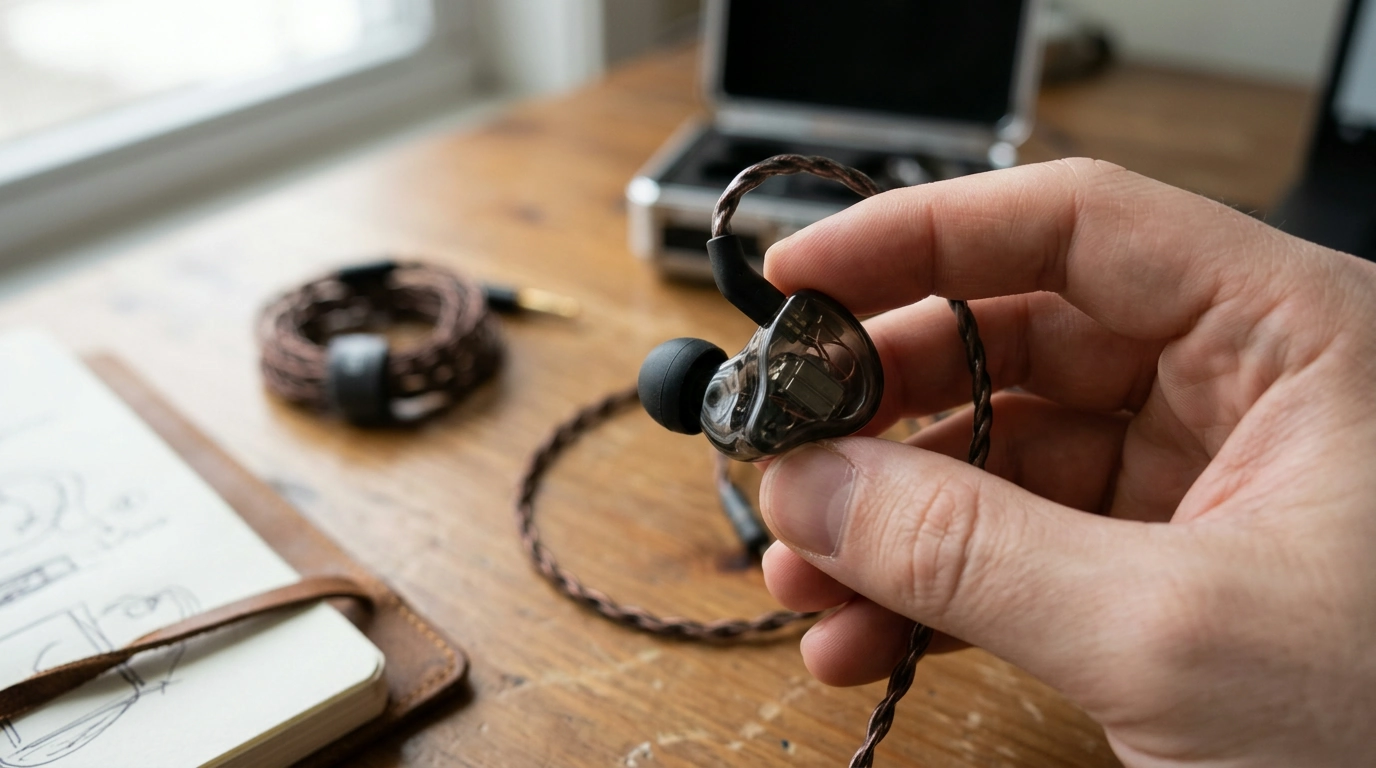
What is the best brand of in-ear monitors?
The best brand of in-ear monitors is the one that matches your ears, your music, and how you actually listen day to day. Instead of chasing a single logo, our team recommends choosing a brand (or model line) based on three things that change your experience the most: fit and comfort, tuning style, and build features like cables and nozzles.
Pick the “best” brand by tuning, not hype
Different brands lean into different sound signatures. If you want lively bass and sparkle for pop and EDM, look for brands known for energetic “V-shaped” tuning. If you prefer vocals and acoustic realism, aim for a more mid-forward or neutral approach. For long sessions, smoother treble matters more than a big spec sheet—harsh upper frequencies cause fatigue fast, even when the IEM is technically detailed.
Fit and ergonomics are the real deal-breakers
The best-sounding IEM won’t help if it won’t seal. Brands vary in shell size, nozzle length, and how their housings sit in the concha. If you have smaller ears, prioritize compact shells and shorter nozzles; if you struggle with seal, try longer nozzles and tip rolling. A stable seal improves bass, imaging, and isolation more than most cable swaps ever will.
Choose brands that support easy ownership
Look for practical design choices: replaceable cables (common 2-pin or MMCX), durable strain reliefs, and consistent quality control. Swappable cables matter for comfort (softer, lighter cables reduce tug), longevity (easy replacement), and use cases (balanced vs. single-ended, mic cable for calls). If you’re shopping for hybrids or want an upgrade path, prioritize models with standard connectors and comfortable shells.
A strong starting point for hybrids and modular setups
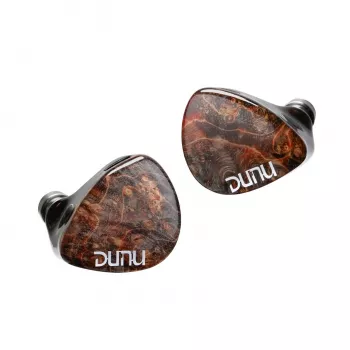
If you’re weighing hybrid driver IEMs and care about cable flexibility and premium materials, our team put together a focused guide you can use to narrow your choices quickly: Hybrid IEMs with swappable cables and wood faceplates.
FAQ
Do I need an amp or DAC for in-ear monitors?
Most IEMs run well from a phone or dongle, but a clean DAC/amp can reduce noise and improve control at low volumes. If you hear hiss, struggle to reach comfortable loudness, or want better volume steps, a quality dongle DAC is usually the simplest upgrade.












Leave a comment