Best Hair Brush to Reduce Frizz: Boar vs Detangler

What is the best hair brush for reducing frizz?
The best hair brush for reducing frizz is a high-quality boar bristle brush (or a boar/nylon blend) for dry hair smoothing, paired with a gentle detangling brush or wide-tooth comb for wet hair. Our team likes this combo because it controls flyaways without roughing up the cuticle—one of the fastest ways to trigger frizz.
Why boar bristles work so well for frizz
Boar bristles help distribute your scalp’s natural oils from roots to ends, which adds slip and shine and makes hair look more “sealed.” A boar/nylon blend is often the sweet spot if your hair is thick, long, or prone to tangles, since nylon pins add detangling power while boar bristles smooth the surface.
Pick the right brush shape for your hair and routine
If your main goal is smoother lengths with less puff, reach for a paddle brush with boar/nylon bristles. Paddle shapes cover more area and encourage hair to lie flatter. If you’re blow-drying, a ceramic or ionic round brush can reduce static and help shape the cuticle as you dry, especially when you finish with a cool shot.
What to avoid if frizz is your problem
Avoid stiff plastic bristles with sharp seams, especially on dry hair—they can snag, create static, and lift the cuticle. Also skip aggressive brushing when hair is damp and stretchy; that can cause breakage that later shows up as frizz and flyaways.
How to use your brush to actually reduce frizz
Start by detangling ends first, then work upward in small sections to prevent ripping through knots. Use light pressure and fewer passes; repeated brushing can create friction. For blowouts, dry hair until it’s mostly dry, then use your smoothing brush for the final shaping passes.
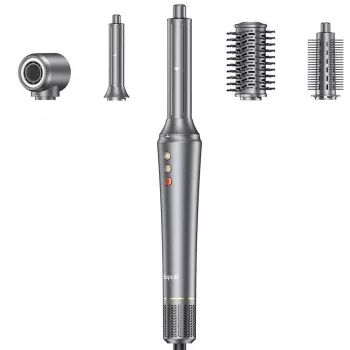
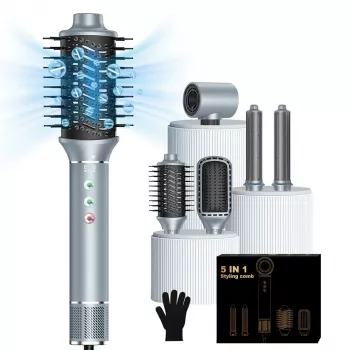
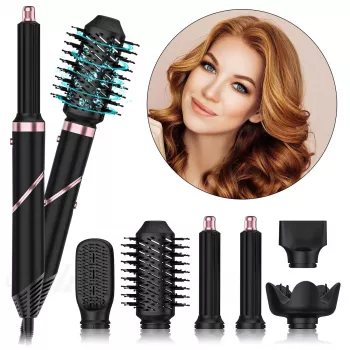
If you want a tool that combines drying and smoothing in one step, our team broke down what to look for in a styler here: https://grandpickpulse.shop/guide-5-in-1-hair-dryer-styler-brush-auto-curl-frizz-control/.
FAQ
Should I brush wet hair or wait until it’s dry?
Brush wet hair only to detangle, and use a wide-tooth comb or a flexible detangling brush with gentle tension. For smoothing and shine, wait until hair is mostly or fully dry and use a boar bristle (or boar/nylon) brush to minimize friction.











Leave a comment