Dual-Cavity Gold-Plated HiFi IEMs: Deep Bass & Clarity
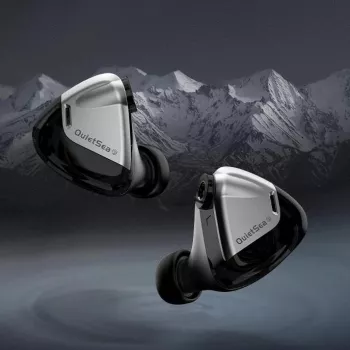
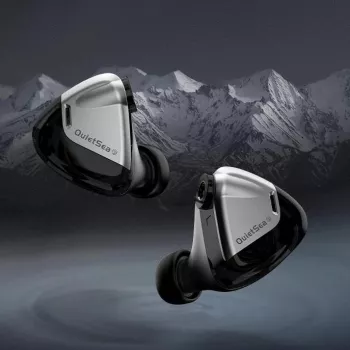
Gold‑Plated Dual‑Cavity HiFi IEMs with Dynamic Drivers and Copper Cable
A good pair of in‑ear monitors should make everyday listening feel more intentional: fuller bass without bloat, clearer vocals without glare, and enough comfort to stay in for an album—not just a song. Our gold‑plated, dual‑cavity HiFi IEMs pair dynamic drivers with a copper cable for a setup that’s built around clean signal transfer, controlled low end, and an immersive, sealed‑in listening experience.
If you’re ready to move past basic earbuds and into a more focused, more “in the music” kind of sound, start with our Gold‑Plated Dual‑Cavity HiFi IEMs with Dynamic Drivers and Copper Cable.
What “dual‑cavity” design does for your sound
Dual‑cavity housings are often used to manage airflow and pressure around a dynamic driver. In daily listening terms, that can translate into bass that reaches deeper while staying more disciplined—less “one‑note thump,” more shape and control.
Better pressure control can also help reduce that “plugged ear” sensation some listeners get during longer sessions. And when resonance inside the shell is better managed, midrange information (vocals, guitars, strings) tends to stay clearer when a mix gets dense.
One more practical benefit: volume changes can feel more consistent. Turning your music up adds intensity and impact, rather than immediately tipping into sharpness.
Dynamic drivers: the everyday choice for natural punch
Dynamic drivers are a go‑to for an engaging, cohesive sound—especially if your library isn’t limited to one genre. The “slam” and weight can suit pop, hip‑hop, EDM, rock, and even cinematic scores where drums and bass lines need to land with authority.
When tuning is done well, you also get bass texture (the difference between a kick drum’s strike and a bass guitar’s sustained note), not just extra low end. For commuting or office use, dynamic drivers often stay lively at moderate volumes, which helps you keep listening safer without making your music feel flat.
If you want one practical all‑rounder IEM to rotate through playlists, podcasts, and longer albums, a dynamic‑driver set is a dependable foundation.
Gold‑plated hardware and copper cable: why it matters
Gold plating on contact points is commonly used because it resists oxidation. If you’re plugging in daily—pockets, bags, humidity, temperature swings—that corrosion resistance helps keep the connection stable over time.
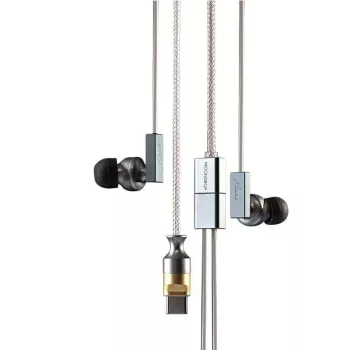
A copper cable is widely valued for strong conductivity and day‑to‑day durability. Together, a solid plug-and-cable setup helps reduce the small but real annoyances that break immersion: intermittent audio, crackle when the plug shifts, or the dreaded “one side drops out” moment.
| Feature | What it helps with | Best for |
|---|---|---|
| Dual‑cavity structure | Bass control and reduced internal resonance | Bass‑forward genres, long listening sessions |
| Dynamic drivers | Natural slam and cohesive tone | Pop, rock, EDM, mixed playlists |
| Gold‑plated contact points | Corrosion resistance and stable connection | Daily portable use, frequent plugging/unplugging |
| Copper cable | Durable, consistent signal path | Commutes, desk setups, everyday carry |
Getting the best fit (and the best bass) in minutes
Your ear tip seal is the foundation. A proper seal boosts bass response, stabilizes the IEM in your ear, and reduces the urge to crank volume to “find” the low end.
- If bass sounds thin, try a larger tip size or a slightly deeper insertion angle.
- If pressure feels too strong, try a slightly smaller tip or a different tip material.
- Route the cable comfortably so it doesn’t tug—tension can break the seal mid‑song and change the sound.
- After inserting, play a familiar track quietly first; with a good seal, it should already sound full before you turn it up.
Pairing with phones, dongles, and players
If your phone doesn’t have a headphone jack, a quality USB‑C or Lightning audio adapter (DAC dongle) can deliver cleaner output and more usable volume control than many basic adapters. If you find the sound too bright—or too loud in the first couple of volume steps—choose a dongle and music app combo that gives you finer volume granularity.
Keep EQ moves simple: a small bass shelf or a gentle treble trim is often all you need. Extreme boosts can cause distortion, especially at higher listening levels. For desktop listening, aim for moderate volume with some headroom rather than pushing your source near maximum.
For safe listening habits, we recommend reviewing the World Health Organization’s guidance on safer listening at Make Listening Safe and the CDC/NIOSH overview on noise exposure at Occupational Noise Exposure.
Care tips that keep IEMs sounding crisp
Who these IEMs are a strong match for
More in stock from our team
- Gold‑Plated Dual‑Cavity HiFi IEMs with Dynamic Drivers and Copper Cable
- Rapid Trigger Magnetic 65% Gaming Keyboard with RGB and Hall Effect Switches
- Floor Bike Parking Rack Stand for MTB & Road Bikes Indoor Garage Storage
FAQ
Do these IEMs work well with a phone?
Yes—if your device supports wired audio output, they’ll pair well for everyday listening. If your phone lacks a headphone jack, using a quality USB‑C or Lightning DAC adapter can improve clarity and give you smoother volume control.
How can bass be improved if it sounds weak?
Bass strength depends heavily on seal. Try a larger ear tip, adjust insertion depth/angle, confirm left/right placement feels equally secure, and make sure the cable isn’t tugging the earpiece out of position.
How should I clean and store in‑ear monitors?
Wipe tips after each session, keep the nozzle openings clear, and store everything dry. Coil the cable loosely and avoid sharp bends, and always unplug by holding the connector body.












Leave a comment