Carbon Fiber Flat Pedals with Titanium Shafts: Fit & Care
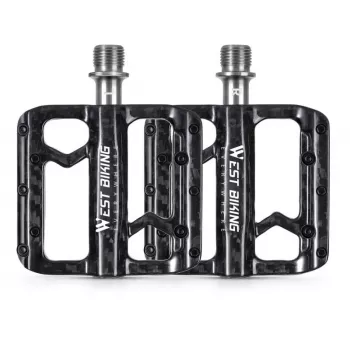
Flat pedals make it easy to put a foot on the platform and reposition it as you ride. Our Full Carbon Fiber Titanium Shaft Flat Bike Pedals combine that familiar setup with a listed carbon fiber body, titanium shaft, and three sealed bearings. Before you order, we recommend looking beyond the materials to the details that matter for your crank, footwear, and routine care.
A Flat Pedal for Straightforward Foot Placement
A flat pedal supports your foot without requiring you to clip in. You can lift your foot away or adjust its position on the platform as needed. That straightforward contact can appeal to riders who prefer not to use a cleat-based pedal system, though the feel underfoot still depends on the shoe and platform.
Our Full Carbon Fiber Titanium Shaft Flat Bike Pedals are listed with full carbon fiber construction and a titanium shaft. Those material descriptions identify parts of the pedal; they do not, by themselves, establish a particular weight, strength rating, or riding advantage. Visit the product page for current price and availability.
What the Listed Features Mean
The shaft connects each pedal to its crank, while bearings allow the pedal body to rotate around the shaft. Smooth rotation helps the platform move as you pedal, so it is worth checking that movement during installation and regular upkeep.
Sealed bearings help limit the entry of dirt and moisture, but seals do not make a pedal maintenance-free. Water, grit, wear, or looseness can still affect how a pedal feels over time. Inspect both pedals periodically, especially after wet or dirty rides.
| Feature | Listed detail | What to consider |
|---|---|---|
| Pedal style | Flat | Choose a platform style that suits your preferred footwear and riding habits. |
| Construction | Full carbon fiber | Check the product page for dimensions and load specifications before ordering. |
| Shaft | Titanium | Confirm the thread and crank compatibility before installation. |
| Bearings | Three sealed bearings | Inspect pedal rotation and follow appropriate maintenance practices. |
Check Fit Before You Order
Start with the connection between the pedal and crank. Check the pedal thread specification against your crank manufacturer’s requirements rather than assuming every pedal fits every bike. If you cannot confirm the specification, our team recommends getting help before ordering or attempting installation.
Next, consider how much platform space you want under your shoes. Dimensions and the shape of the contact area can affect where your foot rests and how easily you reposition it. Think about the sole you plan to wear, too: a shoe suited to a flat platform should provide contact and grip that feel appropriate for your riding.
Grip preferences vary. Some riders want a more secure feel underfoot, while others value easy repositioning. Confirm the platform dimensions and any grip details you need before purchase, and avoid assuming a particular shoe or bike is compatible without the relevant specifications. If load specifications are important to your choice, confirm those as well.
Installation and Care
Follow the instructions from both the crank and pedal manufacturers. Left and right pedals use different thread directions, so identify each side before starting. Begin threading carefully; if a pedal does not turn in readily, stop and recheck the side and alignment rather than forcing it.
Use the specified tools and follow the applicable tightening guidance. A bike mechanic can help if you are unsure about the threads, tools, or fit. For an illustrated overview of the process, see Park Tool’s pedal installation and removal guide.
As part of your regular bike checks, make sure the pedals remain secure and rotate smoothly. Look for unusual play, roughness, or other signs of wear, and address any concerns before your next ride. Clean off dirt without directing high-pressure water at the bearings; seals help protect them, but a forceful spray can work against that protection.
For an optional way to keep your bike organized between rides, consider our Floor Bike Parking Rack Stand for MTB & Road Bikes. Confirm the rack’s fit for your bike before choosing it as a storage companion.
Before choosing, compare the product details with your daily routine, available space, care needs, and preferred setup. The strongest option is usually the one that fits the intended use clearly and remains simple to clean, store, and check before repeat use.
It is also worth checking measurements, material notes, included parts, and compatibility details so the item matches the way it will be used after delivery.
Before choosing, compare the product details with your daily routine, available space, care needs, and preferred setup. The strongest option is usually the one that fits the intended use clearly and remains simple to clean, store, and check before repeat use.
FAQ
Do these pedals require cycling shoes with cleats?
No. Flat pedals do not require you to clip into cleats; choose footwear with a sole suited to the platform and your preferred grip.
Will these pedals fit my bike?
Compatibility is not confirmed for every bike. Check the pedal thread specification against your crank manufacturer’s requirements before ordering.
Do sealed bearings need maintenance?
Yes. Seals help limit contamination, but you should still inspect pedal rotation, security, and wear periodically.














Leave a comment