High Elastic Rubber Bike Luggage Strap: A Practical Guide
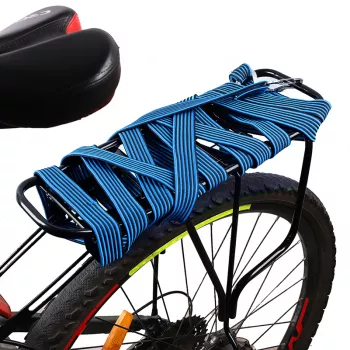
A luggage strap can make a bike ride more convenient when you need to carry a suitable item on a compatible rack. The goal is simple: keep your load together, secure it at appropriate attachment points, and make sure nothing interferes with your bike. Our team recommends taking a few moments to pack thoughtfully and check your setup before you roll away.
A Simple Addition to Your Bike Setup
Our high elastic rubber bike luggage strap with metal buckle is a straightforward option for keeping compatible luggage in place. Its elastic rubber strap provides flexibility around a load, while the metal buckle is part of the attachment system. The listed price is $6.97.
A strap can help keep suitable items together, but it does not turn every bag or bike into a compatible carrying system. Start with a rack and attachment points that can support your intended load. Choose luggage that sits securely on the rack without hanging into areas where it could catch or rub.
Before loading up, consider the shape of the item as well as its weight. A compact bag with no loose handles is generally easier to position than a tall, awkward bundle. Tuck away any dangling straps, and make sure the item can sit flat enough to remain stable as you ride.
Packing for Everyday Rides
For a trip across town, arrange your luggage on a compatible rack before attaching the strap. Keep the load compact and balanced from side to side. Position heavier items low where possible, and avoid stacking luggage so high that it becomes unstable or makes the bike difficult to handle.
Place the strap over the load and secure it at suitable attachment points according to the strap’s design. Use enough tension to hold the luggage in place without overstretching the rubber. The buckle and attachment points should remain secure, and the strap should not press against a sharp edge that could damage it.
Once packed, look at the bike from both sides. The strap, luggage, bag handles, and any other loose material must stay clear of the wheels, brakes, and moving parts. Check that you can operate the brakes and get on and off the bike without the load getting in your way.
Keep the total load within the rack’s stated weight limit, and allow for the weight of the bag itself. If the luggage shifts when you gently push it, repack or reposition it before riding. A strap is not a substitute for a suitable rack or for a load that fits the bike.
A Pre-Ride Check
Inspect the strap and metal buckle before each use. Look for cuts, cracks, fraying, deformation, or other visible signs of wear. Replace damaged components rather than relying on them to hold a load. Also check that the rack and the points you plan to use for attachment are secure and suitable.
After fastening the load, give it a gentle push in several directions. It should remain in place without the strap slipping or the luggage shifting. Take another look at wheel and brake clearance after this test, since an item that moves can change where the strap sits.
On a longer ride, stop somewhere safe to recheck the load, especially after riding over rough surfaces. If anything has loosened or moved, adjust it before continuing. For broader preparation advice, see the NHTSA bicycle safety guidance.
Quick Luggage Check
| Check | What to look for |
|---|---|
| Strap and buckle | No visible damage or signs of wear |
| Load | Compact, balanced, and not shifting |
| Clearance | Strap and luggage clear of wheels, brakes, and moving parts |
| Attachment | Secure contact with suitable attachment points |
Keep Your Bike Setup Ready
When you reach your destination, hold the strap securely as you release it so it does not snap back. Remove it carefully, then store it somewhere it will not be crushed, cut, or otherwise damaged. A quick inspection before putting it away can help you spot wear before your next ride.
For a separate indoor storage option, our floor bike parking rack stand is intended for parking a bike in an indoor space. It serves a different purpose from the luggage strap: one helps organize your bike at home, while the other helps secure suitable luggage for a ride.
Ready to prepare your setup? View our high elastic rubber bike luggage strap with metal buckle and plan your next load with a secure attachment and clear moving parts in mind.
Before choosing, compare the product details with your daily routine, available space, care needs, and preferred setup. The strongest option is usually the one that fits the intended use clearly and remains simple to clean, store, and check before repeat use.
FAQ
What can a bike luggage strap be used for?
It can help secure suitable luggage to a compatible bike setup. Keep the load compact and check that it stays clear of moving parts.
How should I check the strap before riding?
Look for wear or damage, confirm the buckle and attachment points are secure, and gently check that the load does not shift.
Can the strap touch the bike wheel?
No. Keep the strap and luggage clear of the wheels, brakes, and all moving parts.














Leave a comment