What Is a Studio Condenser Microphone? A Guide
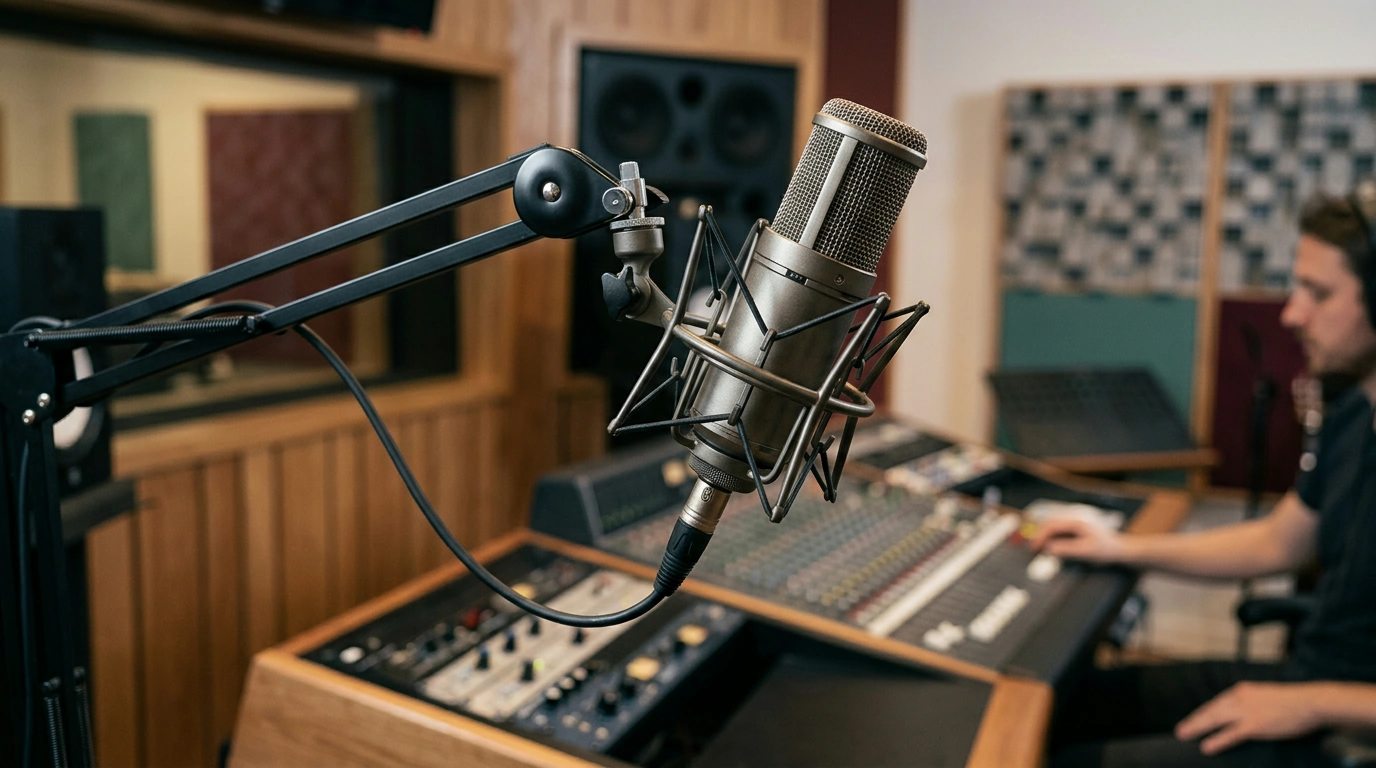
What is a studio condenser microphone?
A studio condenser microphone is a recording microphone that uses a lightweight diaphragm and an electrically charged capsule to convert sound into an audio signal. Its sensitivity and ability to capture fine detail make it a popular choice for vocals, acoustic instruments, voiceovers, and podcasts.
Condenser microphones pick up more than the main performance: they can also reveal reflections, computer fans, and other sounds in your room. We recommend pairing one with a quiet recording space to get the most from its detailed sound.
How does a condenser microphone work?
Inside the capsule, a thin diaphragm sits close to a fixed backplate. Sound waves move the diaphragm, changing the electrical capacitance between the two surfaces. The microphone’s electronics turn those changes into a usable audio signal.
Most XLR studio condenser microphones need power from an audio interface, mixer, or external supply. That power is commonly supplied as 48-volt phantom power. USB condenser microphones generally receive power through their USB connection instead.
How does it compare with a dynamic microphone?
A condenser microphone is often chosen for its sensitivity and detailed response, especially when recording subtle vocal or instrument sounds. A dynamic microphone is generally less sensitive and can be useful for loud sources or rooms where you want to capture less background noise.
Neither type is automatically better for every recording. Your voice, instrument, room, and preferred sound all matter when choosing between them.
What should you look for when choosing one?
Start with the connection. An XLR microphone typically requires an audio interface, while a USB microphone connects directly to a compatible computer. If you plan to expand your recording setup, XLR gives you a choice of interfaces and preamps.
Also consider the pickup pattern. A cardioid pattern favors sound from the front and reduces pickup from the rear, making it a practical starting point for solo recording. Some microphones offer additional patterns for different recording situations.
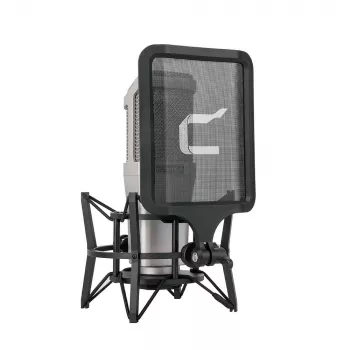
Our team recommends using a stable stand and positioning the microphone away from noisy equipment. For vocals, a pop filter can help soften bursts of air from sounds such as “p” and “b.” Headphones can help you hear background noise and adjust your placement before recording.
FAQ
Can you use a studio condenser microphone for live streaming?
Yes. A condenser microphone can provide clear, detailed sound for live streaming, especially in a quiet room. Choose a USB model for a direct computer connection or an XLR model with a suitable audio interface.












Leave a comment