What Ear Monitors Do Professionals Use? Top IEM Choices
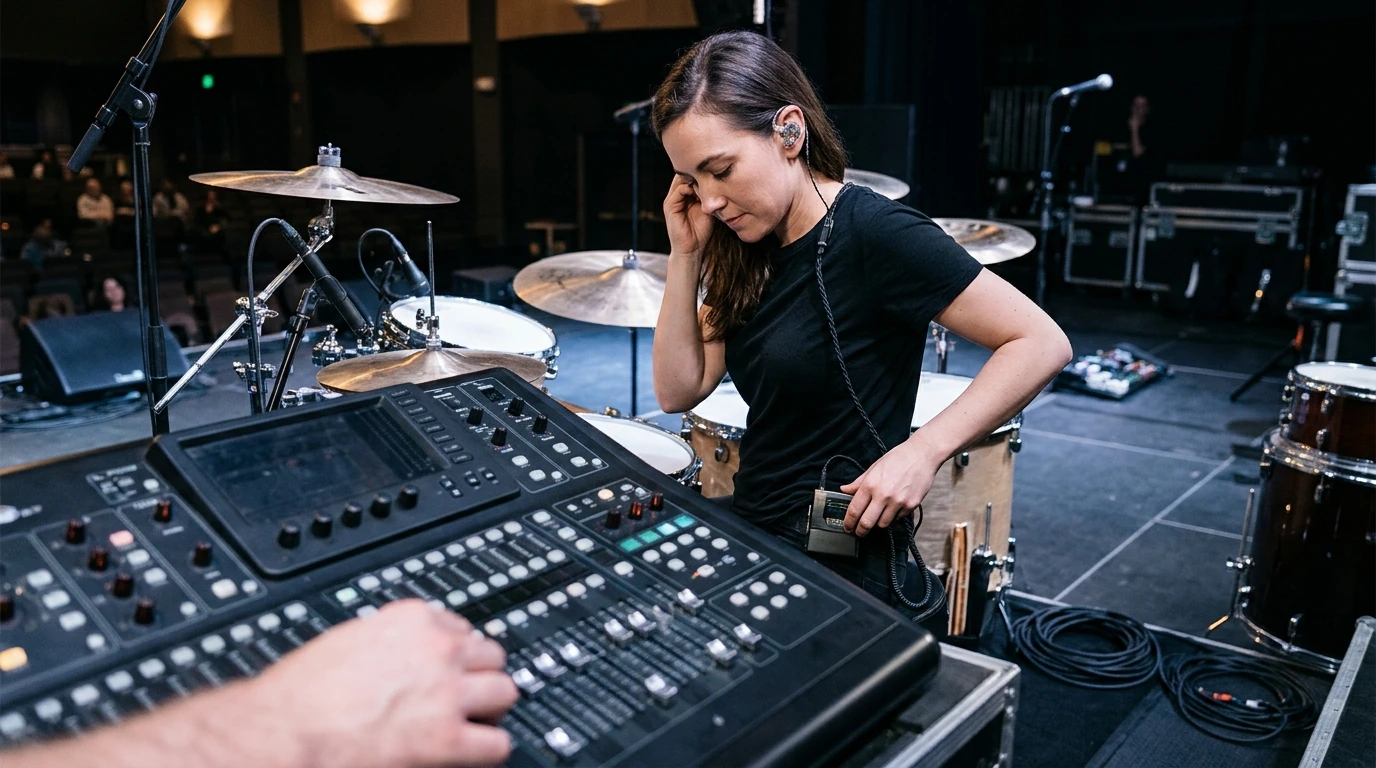
What ear monitors do professionals use?
Professionals use in-ear monitors, or IEMs, that let them hear a controlled mix while performing, recording, or working in live sound. Common choices include the Shure SE425, SE535, and SE846; the Sennheiser IE 400 PRO; and custom-molded models from brands such as Ultimate Ears and JH Audio. The right choice depends on your role, preferred sound, fit, and budget—not simply the number of drivers.
How do professionals choose in-ear monitors?
Onstage, isolation and a secure fit help performers hear their mix without relying as heavily on loud floor wedges. In a studio, engineers and musicians may prioritize a sound signature that helps them hear timing, pitch, and detail. A replaceable cable is also useful for working musicians because it can be swapped if damaged.
Some professionals choose universal-fit IEMs with interchangeable ear tips. Others use custom-molded monitors made from impressions of their ears. Custom models can offer a secure, personalized fit, while universal models are easier to share, replace, or try with different tips.
Which monitor features matter most?
Fit and isolation: A comfortable seal supports consistent bass response and helps reduce outside noise. Try different tip sizes and materials, and avoid forcing a tip into your ear.
Sound presentation: A vocalist may want clear mids, while a drummer or bassist may prefer more low-frequency presence. Your monitor mix and preferences matter as much as the earphones themselves.
Durability: Look for sturdy connectors, a suitable cable length, and a protective case if you travel or perform regularly. Detachable cables can make routine replacement easier.
Driver design: Dynamic, balanced-armature, and hybrid IEMs each offer different design approaches. More drivers do not automatically mean better sound or a better fit for your work.
Are hybrid IEMs a practical option?
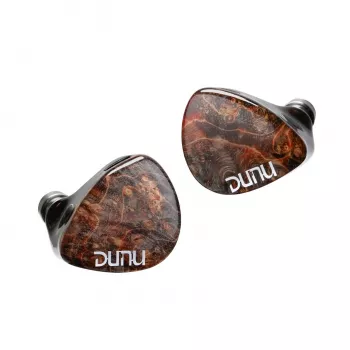
Yes. Hybrid IEMs combine different driver types, often pairing dynamic drivers with balanced-armature drivers. They can be useful if you want both low-end weight and detail, though the tuning of the individual model matters. Explore our guide to 2DD and 4BA hybrid IEMs with a swappable cable and wood faceplates for another approach to monitor design.
FAQ
How can you protect your hearing when using in-ear monitors?
Start at a low volume and raise it only enough to hear your mix clearly. A good seal can reduce the temptation to turn up the level; take listening breaks and consult a hearing professional if you notice ringing or muffled hearing.












Leave a comment