Best-Ventilated Tents: Designs That Cut Condensation
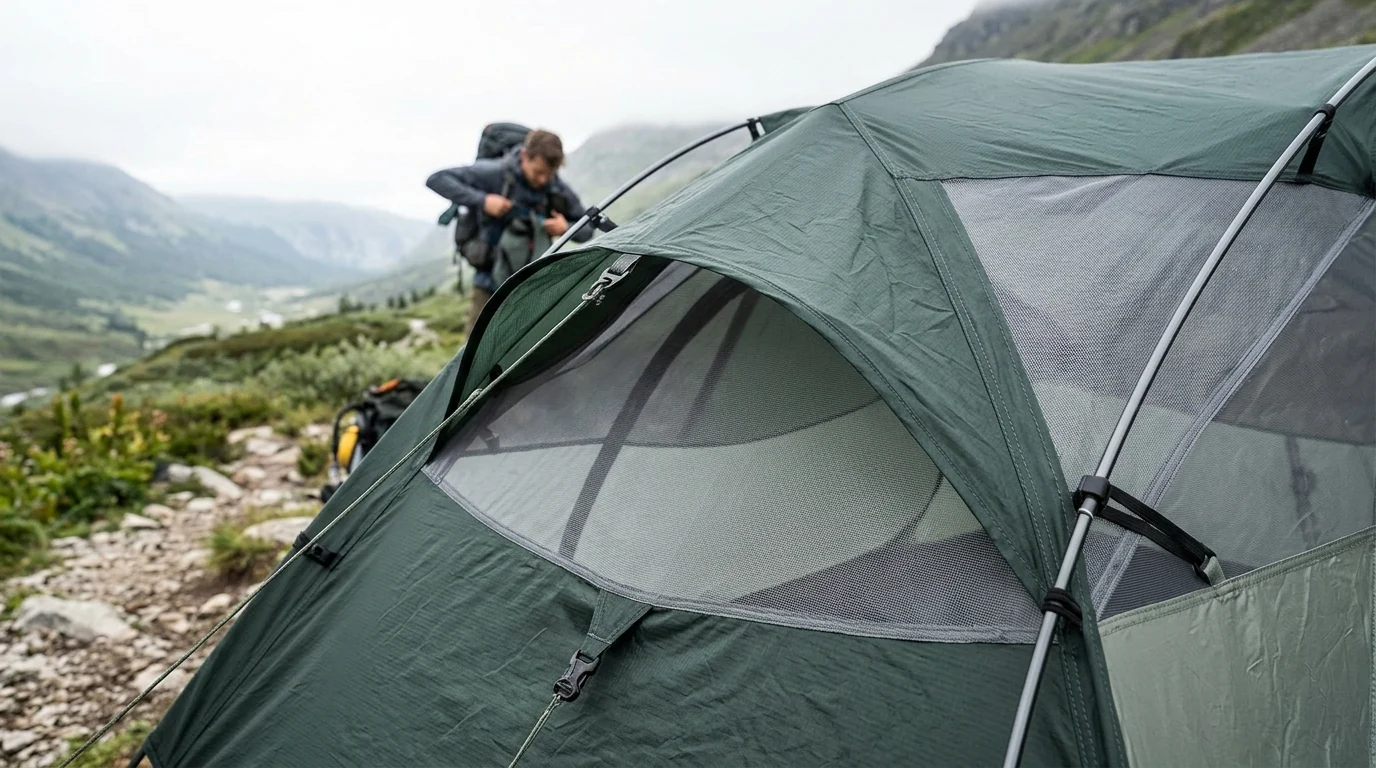
Which tents have the best ventilation?
The best-ventilated tents are the ones that keep air moving from low to high, swap humid air for fresh air quickly, and still protect you when the weather shifts. Our team recommends focusing on designs that combine large mesh panels with multiple, adjustable vents—especially when you camp in warm, humid, or buggy conditions where you can’t just leave doors wide open.
Top tent styles for airflow
Double-wall tents with a mesh-heavy inner usually ventilate best for most campers. The mesh inner allows constant airflow, while the rainfly can be partially rolled back or set in “awning mode” to keep air moving without letting rain in.
Backpacking tents with high/low venting are excellent when condensation is the main enemy. Look for low intake vents near the base and high exhaust vents near the peak so warm, moist air can escape instead of collecting on the walls.
Cabin tents with tall ceilings can feel noticeably cooler because heat rises and has more room to disperse. Pair that height with big windows and a mesh ceiling for the best results at established campgrounds.
Ventilation features that matter most
Two doors and two vestibules create true cross-breeze potential, especially if doors include full mesh panels. Large ceiling mesh helps dump heat at night, while kickstand or hooded roof vents keep air flowing during light rain. If you camp in muggy climates, prioritize full-coverage mesh over small “peek” panels.
How to get better airflow from any tent
Pitch to catch the breeze (doorways facing into or across it), keep the fly tensioned to maintain an air gap, and crack opposing vents even when it’s cool. In buggy areas, rely on mesh doors and vents instead of leaving fabric doors open.
For a deeper breakdown of vent layouts and what to look for by camping style, see our full guide here: https://grandpickpulse.shop/which-tents-have-the-best-ventilation/.
FAQ
How do I reduce condensation in a tent?
Increase airflow by opening high vents and a low vent or mesh door on the opposite side, and avoid pitching in low, damp spots. Keeping wet gear outside the sleeping area also helps cut moisture buildup.












Leave a comment