Retro Leather Backpack Guide: Organize, Carry, Care
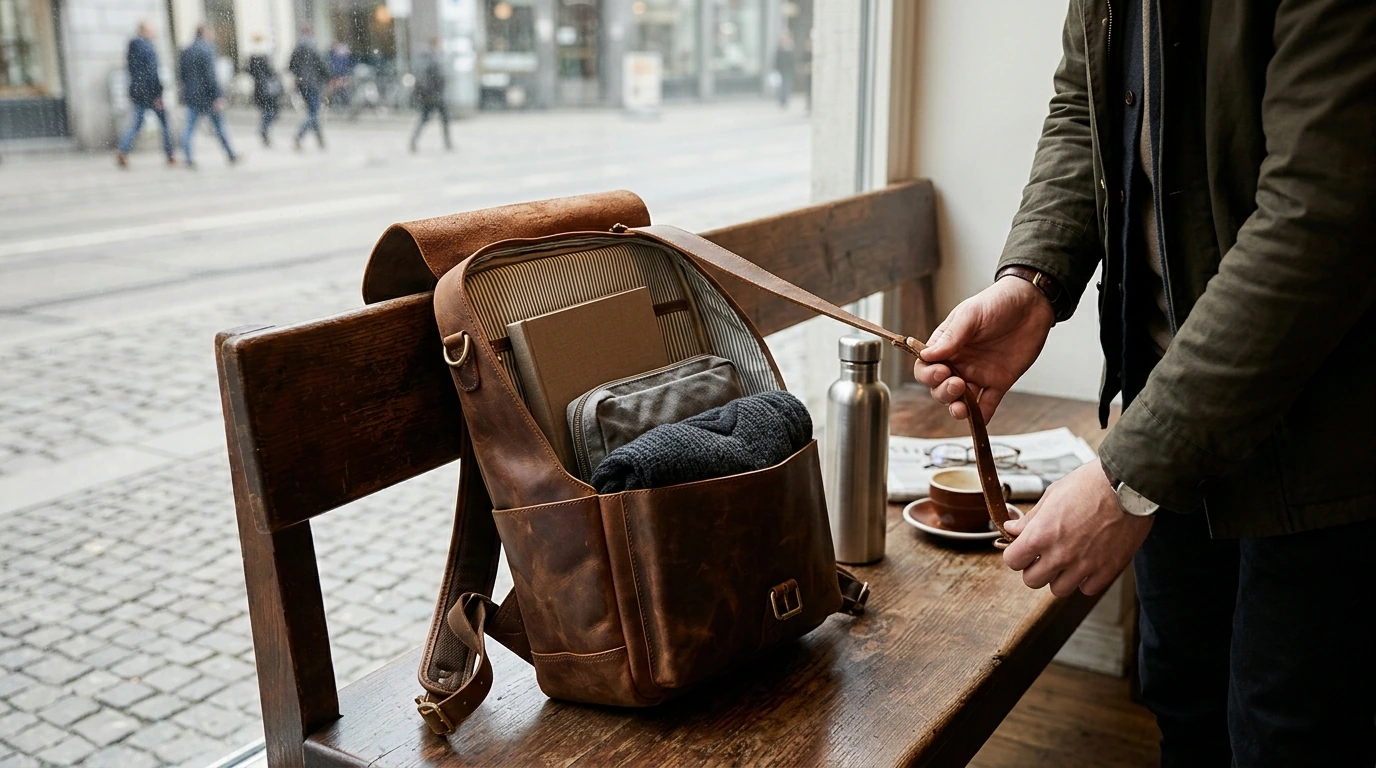
Retro Brown Leather Backpack: Everyday Carry with Old-School Character
A backpack should earn its spot in your daily rotation: comfortable on commutes, tidy enough for cafés and meetings, and tough enough to keep up when plans change. Our Retro Brown Leather Backpack is built around that idea—classic styling with practical storage, made for people who want a bag that looks better the more it gets used.
What makes the retro look work for modern days
Retro style lasts because it plays well with the way people actually dress. A vintage-inspired silhouette pairs easily with denim and workwear, but it also sits comfortably next to smarter outfits without tipping into “costume.” Brown leather does a lot of the heavy lifting here: it naturally complements neutral wardrobes and seasonal layers, so your bag doesn’t get boxed into one vibe.
Functionally, the backpack format matters. Two-strap carry distributes weight across both shoulders, which helps when you’re walking farther than expected, weaving through transit, or carrying a little more than usual. And the “retro” part isn’t just aesthetics—structured shape helps keep your everyday essentials from collapsing into a loose pile. When your items stay stacked instead of slumped, you spend less time digging and more time moving.
How to use it day-to-day: carry setups that stay organized
The easiest way to make a backpack feel effortless is to give your gear a consistent home. Our team recommends building a few simple “default” setups you can switch between without repacking from scratch.
Four carry setups you can rotate
- Work/weekday setup: Keep a notebook or planner flat against the back panel, then group tech items (charger, mouse, earbuds) inside one small pouch so they transfer cleanly between bags.
- Campus setup: Assign one area for quick-grab items (ID, keys, transit card). Consistency beats extra pockets—you’ll stop digging between classes.
- Weekend setup: Dedicate space for a light layer, water bottle, and a compact umbrella. These three items cover most “plans changed” moments.
- Travel day setup: Pack in zones—documents and valuables closer to your body, then comfort items (snacks, wipes, sunglasses) where you can reach them while standing in line.
| Carry need | What to pack | How to keep it neat |
|---|---|---|
| Commute essentials | Keys, wallet, charger, water bottle | Use a small zip pouch for cables; keep keys clipped or in the same pocket every time |
| Work or study | Notebook, pens, tech accessories | Keep flat items against the back; use one dedicated pocket for pens so they don’t drift |
| Errands and weekends | Sunglasses, umbrella, light layer | Roll the layer; stash umbrella vertically so it’s easy to pull out |
| Day-trip basics | Snack, hand sanitizer, tissues, small first-aid | Group small items in a compact organizer to avoid “pocket scatter” |
Choosing the right fit: comfort, carry capacity, and weight
Comfort isn’t just about whether a backpack has straps—it’s about how you set it up. Adjust the straps so the bag sits high enough to move with you rather than swinging behind you; a stable carry feels lighter over the course of a day. When you’re packing, a balanced load matters more than most people expect: heavier items closer to the back panel generally feel better and put less strain on your shoulders.
If you carry tech, measure your device (including any case) and compare it to the backpack’s listed dimensions before you commit. Tight fits don’t just make your mornings annoying—they can also stress seams and zippers over time. And for all-day wear, avoid overstuffing: a bag that closes easily tends to keep its shape longer and stays more comfortable when you’re walking.
Leather care that keeps the bag looking better over time
Leather improves with use when you treat it like a material, not a miracle. A few low-effort habits do more than occasional deep cleaning.
- Daily habit: Wipe dust away with a soft, dry cloth. Grit left on leather can act like sandpaper over time.
- If it gets wet: Blot (don’t rub), let it air-dry away from heaters or direct sun, then condition later if it feels stiff once fully dry.
- Conditioning: Use a light conditioner occasionally to reduce drying and cracking; patch-test in an inconspicuous area first.
- Storage: Keep the backpack loosely filled (soft cloth or paper) to maintain shape, and store it in a breathable dust bag when not in use.
For more detailed preservation guidance, the Library of Congress guidance on leather care and the Leather Conservation Centre’s care recommendations are both solid references.
When this backpack is the right pick (and when to choose another style)
This is a great choice if you want a timeless look that can move from weekday to weekend, and you prefer a structured silhouette that helps keep your carry organized. Leather backpacks also make strong long-term staples: regular use is fine, and sensible loading plus basic care helps them age gracefully.
More in-stock picks from our team
- Rapid Trigger Magnetic 65% Gaming Keyboard with RGB and Hall Effect Switches
- Floor Bike Parking Rack Stand for MTB & Road Bikes Indoor Garage Storage
- Stylish Nordic Ceramic Bathroom Sink
FAQ
How do you clean and condition a leather backpack without damaging it?
Wipe it regularly with a soft, dry cloth, and use a slightly damp cloth only when needed—avoid soaking and harsh cleaners. If it gets wet, blot and let it air-dry away from heat, then condition lightly once it’s fully dry. Store it in a breathable bag and keep it loosely filled so it holds its shape.
Will a laptop fit in this backpack?
Measure your laptop (including any case or sleeve) and compare those dimensions to the backpack’s listed measurements to avoid tight fits. A slim laptop sleeve helps protect the device and makes it easier to slide in and out smoothly.










Leave a comment