Self-Cleaning Cat Litter Box Guide: Less Odor, Less Scooping
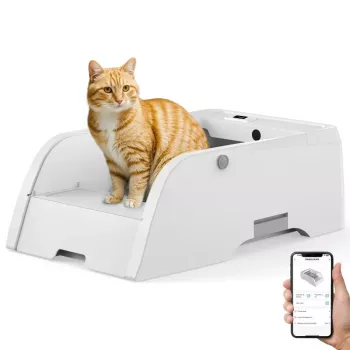
Self-Cleaning Cat Litter Box: Cleaner Homes, Happier Cats
A self-cleaning litter box can reduce daily scooping, help control odors, and keep the litter area more consistent for cats. The best choice comes down to practical details: your cat’s size, which litter types the unit can handle, how reliable the safety sensors are, how loud the cleaning cycle sounds, and how often the waste drawer needs to be emptied.
What a Self-Cleaning Litter Box Actually Does
Most automated litter boxes follow the same basic workflow: your cat uses the box, the unit waits a set amount of time, then it starts a cleaning cycle that separates waste from clean litter.
- Uses sensors and an automated cleaning cycle to separate clumps from clean litter after a cat exits.
- Deposits waste into a covered drawer or bin to help contain odor between emptying days.
- Keeps the litter bed more even and usable, which can support better litter box habits for many cats.
- Still requires routine tasks: emptying the bin, adding litter, wiping surfaces, and periodic deep cleaning.
That last point matters: automation reduces the most unpleasant daily task (scooping), but it doesn’t eliminate upkeep. A quick wipe of high-contact areas and a predictable bin-emptying routine are what keep the “self-cleaning” experience feeling truly low-maintenance.
Key Benefits for Multi-Cat Homes and Busy Schedules
In households with more than one cat—or anyone juggling work, school, and travel—consistency is often the biggest win.
- Fewer odor spikes because waste is removed soon after use rather than sitting exposed.
- Less tracking and mess when the box design keeps litter level stable and reduces overflow.
- More consistent cleanliness can lower the chances of a cat avoiding the box due to buildup.
- Helps households maintain a predictable routine: empty bin on a set cadence, top up litter as needed.
If a cat starts avoiding the box, it can be a cleanliness issue—or a medical or stress-related one. For behavior and hygiene basics, the ASPCA’s guidance on litter box problems is a helpful reference: ASPCA: Litter Box Problems.
Important Safety Features to Look For
Safety features are not optional in an automated unit. A good design assumes cats will investigate moving parts, hover at the entrance, or even try to step in mid-cycle.
- Reliable cat-detection sensors that stop or delay cleaning when a cat is nearby or re-enters.
- A stable base and enclosed moving parts so curious paws cannot access pinch points.
- A manual lock or child/pet safety mode if the unit is placed in a high-traffic area.
- Clear error indicators (lights/app alerts) so jams or full bins don’t go unnoticed.
- Appropriate sizing: cats should be able to turn around comfortably without touching walls.
For general cat care and wellness considerations (including what “normal” looks like), the AVMA’s cat owner resources can be a solid starting point: AVMA: Cat Care.
Quick Comparison: Automated vs Traditional Boxes
Automated and traditional boxes can both work well—what changes is the time commitment, odor control approach, and how much tolerance your cat has for movement and motor sounds.
| Feature | Self-cleaning box | Traditional box |
|---|---|---|
| Daily effort | Low (mostly bin checks) | High (scoop 1–2x/day) |
| Odor control between cleanings | Often stronger (sealed waste bin) | Depends on scooping frequency |
| Up-front cost | Higher | Lower |
| Maintenance style | Bin emptying + wipe sensors/seals | Scoop + frequent litter refresh |
| Cat adjustment | May require a transition period | Usually immediate |
Litter type matters more than many people expect. Clumping performance, dust level, and moisture control all affect how cleanly the unit can separate waste and how much residue ends up on internal surfaces.
Introducing a Cat to an Automated Box (Without Stress)
The smoothest transitions are slow, familiar, and low-pressure. A cat that startles once may avoid the box altogether, so it’s worth taking a few days to acclimate.
If you’re pregnant or immunocompromised, be especially cautious about litter handling and hygiene. The CDC’s prevention guidance for toxoplasmosis is a useful overview: CDC: Toxoplasmosis Prevention.
Care Routine That Keeps Odor Down
Product Spotlight: Self-Cleaning Cat Litter Box 3.0
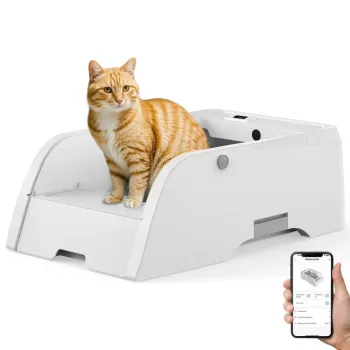
If the goal is a tidier litter area with fewer daily chores, Self-Cleaning Cat Litter Box 3.0 is built to automate waste separation and reduce day-to-day scooping. Best results typically come from pairing it with a compatible clumping litter and sticking to a steady emptying routine so the waste drawer never overfills.
More in-stock home organization picks
- Floor Bike Parking Rack Stand for MTB & Road Bikes Indoor Garage Storage (a simple way to reduce clutter in shared spaces where litter areas are nearby).
- Stylish Nordic Ceramic Bathroom Sink (an upgrade that supports easy wipe-down cleaning in pet-friendly homes).
FAQ
How often does a self-cleaning litter box need to be emptied?
Most waste bins need emptying every few days to about a week, depending on how many cats use it, the bin capacity, diet, and how well the drawer seals. Check daily at first, then set a reminder once you learn your household’s normal pace.
Are self-cleaning litter boxes safe for kittens or small cats?
Safety depends on the specific model’s sensor reliability and its minimum weight or age guidance. Follow the manufacturer limits and supervise early use, especially during the first week of introduction.
What litter works best in an automated litter box?
High-quality clumping litter that forms firm clumps with low dust tends to work best for automated separation. Non-clumping or very lightweight litters can reduce performance and leave more residue behind.











Leave a comment