Folding Camping Trolley Guide: Pull Rod, Wheels, Loads
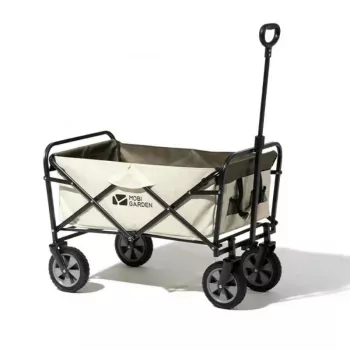
Portable Folding Camping Trolley with Pull Rod for Easy Outdoor Hauling
A folding utility wagon makes it simpler to move coolers, tents, chairs, and supplies in one trip—especially across campgrounds, parks, beaches, and event lots. The right portable folding camping trolley with a pull rod helps reduce strain, keeps your load stable, and folds down small when you’re done. Below are the practical details that tend to matter most: how the pull rod feels over distance, what wheels work best for your terrain, and how to load and maintain the wagon so it rolls smoothly season after season.
What a folding outdoor utility wagon helps with
- Cuts down on repeated trips from the car to the campsite, picnic area, or venue entrance.
- Keeps bulky items together: coolers, water jugs, canopy bags, firewood bundles, and storage bins.
- Provides a steadier alternative to carrying uneven loads by hand—helpful when walking longer distances.
- Folds down for storage in a trunk, garage corner, or closet depending on design and folded dimensions.
Hauling efficiency also supports smarter packing. For example, planning your load ahead of time (what gets carried, how it’s stacked, and what you can consolidate) pairs well with the “plan ahead and prepare” mindset recommended by the Leave No Trace Center for Outdoor Ethics.
Key design details to look for
- Pull rod comfort: a handle shape and length that reduces wrist strain and keeps heels from clipping the wagon.
- Wheel performance: wider wheels typically float better on sand and soft ground; narrower wheels often roll faster on pavement.
- Frame stability: a rigid base and bracing that helps the wagon track straight when turning with a loaded bed.
- Fabric or bed material: easy-to-clean surfaces and reinforced corners help with abrasion from gear edges.
- Weight capacity vs. real-world loads: plan for cooler weight plus ice, drinks, and any stacked bins.
- Folding mechanism: simple open/close action and a lock that prevents collapse while moving.
If you routinely bring heavier camp seating or multiple chairs, it helps to think about how each item packs and carries together; REI’s guide on chair selection touches on practical transport considerations that translate well to wagon loading: REI Expert Advice.
Quick fit check: match the wagon to your trips
Not every outing asks the same things from a wagon. Use the table below to match typical destinations to the features that matter most before you buy.
| Where it’s used | Most helpful features | What to watch for |
|---|---|---|
| Beach | Wider wheels, easy-rinse fabric | Sand drag, salt exposure on metal parts |
| Campground | Stable frame, solid base, higher capacity | Ruts, rocks, and slopes |
| Parks & sports fields | Quick fold, smooth rolling | Wet grass and muddy patches |
| Markets & events | Tight turning, comfortable handle | Crowds and curb transitions |
If storage space is tight, measure your trunk opening (not just trunk depth) and compare it to the wagon’s folded dimensions. A wagon that technically “fits” may still be awkward if you have to angle it around a narrow opening or lift it over a lip.
Loading and hauling tips for smoother pulling
- Go low and centered: place the heaviest items low and centered to reduce tipping—coolers and water should go on the bottom.
- Balance left to right: uneven loads make the wagon veer, which adds drag and can scuff wheels on turns.
- Protect the fabric: stack soft items (blankets, towels) around hard edges to reduce abrasion from bins, stove corners, and chair frames.
- Slow down on slopes: pull steadily and keep a hand ready to steady the load; avoid sudden direction changes that can shift weight.
- Widen your turns: on rough ground, take wider turns and reduce speed so wheels roll over bumps instead of catching.
A helpful rule of thumb is to load for control, not just capacity. Even when you’re under the rated limit, a top-heavy stack (like a cooler with bags piled above it) can feel “tippy” and harder to steer.
Using the pull rod comfortably
- Mind the height: if the handle height is adjustable, aim for a grip that doesn’t force you to hunch; too low increases back strain over distance.
- Offset your path: keep the wagon slightly behind and to the side on narrow paths to avoid heel strikes.
- Let wheels roll: use shorter steps over rocks or roots; avoid yanking the wagon forward, which can twist the frame and stress the joints.
- Curbs and edges: when crossing curbs, tip the front wheels up gently and roll the rear wheels up after—avoid slamming the frame.
Care, cleaning, and storage
For general product safety awareness—especially if you’re buying gear for family trips—checking recall alerts through the U.S. Consumer Product Safety Commission (CPSC) can be a smart habit.
When a folding wagon may not be the best choice
Product options in stock
Portable Folding Camping Trolley with Pull Rod – Outdoor Utility Wagon
Floor Bike Parking Rack Stand for MTB & Road Bikes Indoor Garage Storage
FAQ
How much weight should a folding camping trolley carry?
Choose a capacity based on your heaviest typical load (for example: cooler + ice + drinks + stacked bins) and leave a safety margin so the wagon stays stable. Even within the rating, avoid tall or top-heavy stacking that can increase tipping and make steering harder.
Do folding utility wagons work on sand and grass?
They can, but wheel width/diameter and total load weight make a big difference in rolling resistance. For sand and soft grass, keep loads lighter, take shorter pulls when possible, and avoid deep, loose sand where narrow wheels tend to dig in.
How do you clean and store a folding outdoor wagon after a trip?
Brush off debris before folding, rinse after beach use, and dry completely to prevent mildew and stiff joints. Check wheels and axles for wrapped grass or string, then store the wagon folded in a dry place.














Leave a comment