750W/950W Airless Paint Sprayer: Smooth, Fast Coverage
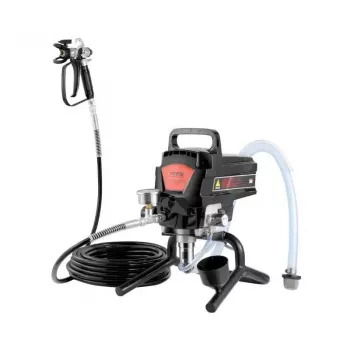
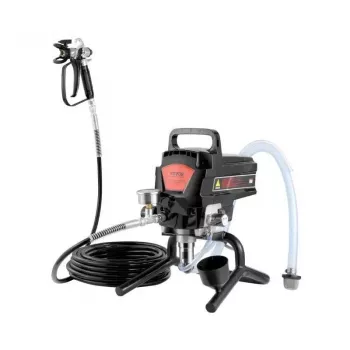
High-Efficiency 750W/950W Electric Airless Paint Sprayer: Fast Coverage With a Smooth Finish
A high-efficiency electric airless paint sprayer is built for quick, even coverage on walls, ceilings, fences, and other large surfaces. The 750W/950W class is especially popular for homeowners and light-duty projects because it can lay down a consistent coat faster than brushing or rolling—when it’s set up correctly. Below is a practical guide to what this type of sprayer is designed to do, what matters for real-world finish quality, and how to reduce overspray, clogs, and downtime.
What an Electric Airless Sprayer Does Best
Electric airless sprayers apply coating by pressurizing paint and pushing it through a fine spray tip—no compressed air required. That pressure-driven delivery is what makes airless systems so effective on medium-to-large jobs where rolling or brushing would take significantly longer.
- Fast coverage on big, flat surfaces like drywall, siding, doors, and garage walls.
- Consistent film build that can look more uniform across wide areas.
- Works well with many common coatings when viscosity is appropriate (interior wall paint, primers, stains, and some sealers).
- Tradeoffs to plan for: masking time, a short learning curve for technique, and routine tip/clog maintenance.
Power Options: 750W vs 950W and What Changes on the Job
Wattage isn’t just a spec on a box—it often shows up in pressure stability and how “strained” the sprayer feels during long passes. Higher wattage typically supports steadier pressure under load, especially with thicker coatings or longer hose runs.
- A stronger motor can reduce pulsing and help maintain an even fan pattern as you keep spraying.
- For frequent projects (multiple rooms, exterior repainting), 950W-class performance often means fewer slowdowns.
- For smaller weekend jobs (shed walls, fence panels), 750W-class units can still deliver fast results with correct tip choice and careful viscosity management.
- Practical takeaway: choose based on how often you spray thicker paints and how large your typical surface area is.
Quick Comparison: 750W vs 950W (Typical Experience)
| Factor | 750W Class | 950W Class |
|---|---|---|
| Best for | Smaller-to-medium projects, lighter materials | Medium-to-large projects, heavier materials |
| Pressure stability | Good with proper setup | Stronger under continuous load |
| Pace on big areas | Fast, may need more pauses | Fast with fewer slowdowns |
| Thicker coatings | More sensitive to viscosity/tip | Usually more forgiving |
Key Features That Influence Finish Quality
Motor power helps, but finish quality is often determined by control and consistency: pressure tuning, tip selection, and how well the sprayer stays clean.
- Pressure control: Matching pressure to the coating and surface reduces runs, “bounce-back,” and excess mist.
- Tip compatibility: Tip size and fan width matter as much as wattage for a clean, even coat.
- Prime/spray modes: Speeds setup and helps reduce spitting at the start of passes.
- Hose length and flexibility: Longer reach improves workflow on stairwells, ceilings, and exterior walls (but can increase pressure demand).
- Filtration and strainers: Better filtering lowers clogs and slows tip wear.
- Heat management: Continuous spraying warms the motor and coating—planned breaks protect performance and pattern consistency.
Setup and Spraying Technique for Cleaner Results
Most “sprayer problems” come down to surface prep, masking, and dialing in pressure and technique. A few minutes of setup can prevent hours of touch-ups.
| Issue | Likely Cause | Quick Fix |
|---|---|---|
| Tails at fan edges | Pressure too low or tip worn | Increase pressure slightly; replace tip if worn |
| Runs/sags | Too slow, too close, or too much pressure | Move faster; increase distance; reduce pressure |
| Spitting | Air in line / poor prime / low material | Re-prime; check pickup; refill and purge |
Where This Sprayer Fits: Practical Use Cases
Safety and Cleanup That Save Time (and Headaches)
For additional safety guidance, review resources from OSHA and NIOSH, especially if spraying in enclosed areas or using solvent-based materials.
Product Snapshot: High-Efficiency 750W/950W Electric Airless Paint Sprayer
If your projects involve rooms, fences, garages, or other large surfaces, the High-Efficiency 750W/950W Electric Airless Paint Sprayer is designed to pair high coverage speed with a more consistent finish. This power range is aimed at home improvement users and light-duty project workloads that benefit from airless output—especially where rollers are slow and brush marks are undesirable.
To keep your workspace organized between coats (and avoid hoses and tools piled on the floor), a simple storage add-on can help: Floor Bike Parking Rack Stand for MTB & Road Bikes Indoor Garage Storage is a practical option for garages and workshops where floor space gets tight during big painting days.
At-a-Glance Details
| Item | Details |
|---|---|
| Product | High-Efficiency 750W/950W Electric Airless Paint Sprayer |
| Price | 351.01 USD |
| Availability | In stock |
| Product page | check current price and availability |
FAQ
Can an electric airless sprayer handle interior wall paint without thinning?
Often yes, but it depends on the paint’s viscosity, the tip size, and whether the sprayer can maintain a stable fan at your chosen pressure. Even when spraying unthinned, straining and pressure tuning help reduce clogs and spatter; if thinning is needed, follow the coating manufacturer’s guidance.
What tip should be used for walls versus fences?
Tip choice depends on the coating and the fan width you want: walls typically benefit from a wider fan for faster, more even passes, while fences often spray cleaner with a narrower fan for control around gaps and edges. Replace worn tips when the pattern degrades, since wear can cause tails, overspray, and uneven coverage.
How long does cleanup take after spraying latex paint?
Cleanup is commonly 15–45 minutes depending on the size of the setup and how quickly you flush after spraying. Relieve pressure safely, then flush the system promptly and clean the filters and tip thoroughly to prevent dried paint from causing the next-day clog.













Leave a comment